Equipment consulting for plating shops that need real answers
Solve the Problem. Cut the Cost. Level Up Your Line.
Level Up Plating Supply works directly with plating shops to figure out what is actually going wrong on the line — then matches the right manufacturing partner to the fix. Jim Saas brings 35+ years on the floor, so the recommendation comes from someone who has seen the problem before and knows where the real long-term ROI lives.
35+ Years on the Plating FloorVetted Manufacturing Partners
From the Bath to the Barrel to the Final Rinse
Eight solution categories. Every critical system covered.
Eight solution categories covering every critical system in a metal finishing operation. Every partner represented here was chosen for their commitment to quality, their responsiveness to customers, and the service they stand behind — the kind of relationships that hold up when something goes wrong on the floor.
Pricing & Long-Term Value
Competitive on the quote. Even better on the ROI.
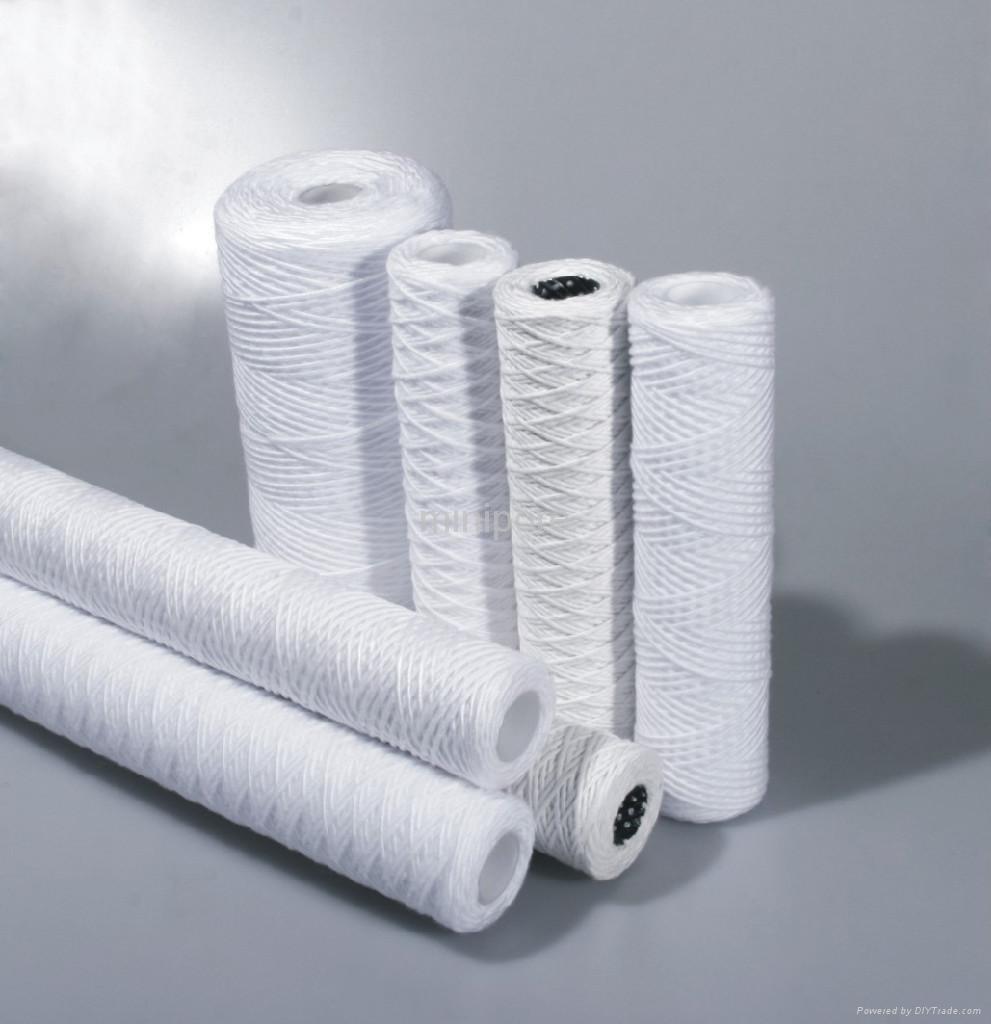
Level Up Plating Supply quotes competitively on almost anything a plating shop needs — from barrels and danglers down to the day-to-day consumables that keep the line moving. The bigger win, though, is usually the ROI on better-engineered equipment: spend a little more upfront on the right barrel, dangler, rectifier, or scrubber, and the line quietly pays you back for years instead of bleeding out in rejects, drag-out, energy, and rebuy cycles.
Competitive Pricing
Save on the consumables you already buy.
Reagents, test kits, anode baskets, danglers, spare parts, filters, controls — if your shop is buying it month after month, it is worth a conversation. Send us a recent invoice or two and we’ll tell you honestly whether we can do better, and by how much. We give you the answer that fits your line — not the one that fits a quota.
Long-Term ROI
You get what you pay for — and the ROI shows it.
A cheaper barrel, dangler, or rectifier almost always costs more over five years — in rejects, drag-out, energy, downtime, and rebuy cycles. Spending a little more upfront on properly engineered, world-class equipment is one of the most reliable ways a plating shop builds real ROI and takes money off the operating sheet year after year.
That ROI includes more than just the equipment. The right supplier relationship means a partner who helps you spec it correctly before you spend money, answers the phone when something goes wrong on the line, and stays engaged after the sale — not just before it.
Consulting in Action · Exclusive North American Distributor
Our Proven 3F Process Fit. Flow. Finish.
Level Up Plating Supply is the exclusive authorized North American distributor for Eagle Engineering — a premium plating barrel manufacturer. Every barrel project follows the same proven path: engineer the perfect fit, test it on your line, and let the results make the case for the rest.
Fit
Engineer the right barrel
We start with your existing barrel — engineering drawings, field measurements, or a sample shipped to Eagle for direct replication. Jim works with you on every customizable feature: perforation type and open-area targets, door style, gear interface, and load geometry. Every dimension is specified to match how your shop actually runs so Eagle can build the best possible barrel for your line.
Flow
Test it on your line
Eagle manufactures a single prototype barrel built to your spec. You run it in production — same line, same chemistry, same parts — side by side with your current equipment. You flow your actual baths through it, measure fill and drain times, and see how it performs under your real operating conditions. No commitment beyond one barrel.
Finish
See the results, upgrade the line
The prototype generates its own evidence — energy consumption, drain speed, drag-out reduction, production capacity. When the numbers are documented and the improvement is clear, the decision to upgrade the rest of the line makes itself. One recent customer saw it firsthand:
Documented customer results — 48-barrel zinc line upgrade
$11.9KAnnual energy savings
50%Faster barrel fill times
66%Faster drain · less drag-out
+33%Production capacity gain
Talk to Jim
Describe the symptom. We’ll help frame the fix.
Tell us what is happening on the line, what you have already tried, and what you are hoping to improve. The goal is to get you to a clear next step quickly — without losing days to back-and-forth emails or guesswork.
A helpful starting point: what you plate, the line type, chemistry, current equipment, and what is not working the way it should.
What you get back: a personal reply from Jim — quote direction, the measurements we need, a partner recommendation, or a candid diagnostic conversation.
Straight answers: the right call is always the one that makes your line perform — whether that means a new purchase or a process adjustment.
These are the manufacturers Level Up Plating Supply represents — each chosen because they help solve a specific problem on a plating shop floor. Use the navigation below to jump to any partner, or talk to Jim about which one fits the issue you are working through.
Eagle
Eagle Engineering Ltd.
Plating Barrels & Cathode Danglers
Telford, UK · PE1000 UHMW barrels · PUR danglers
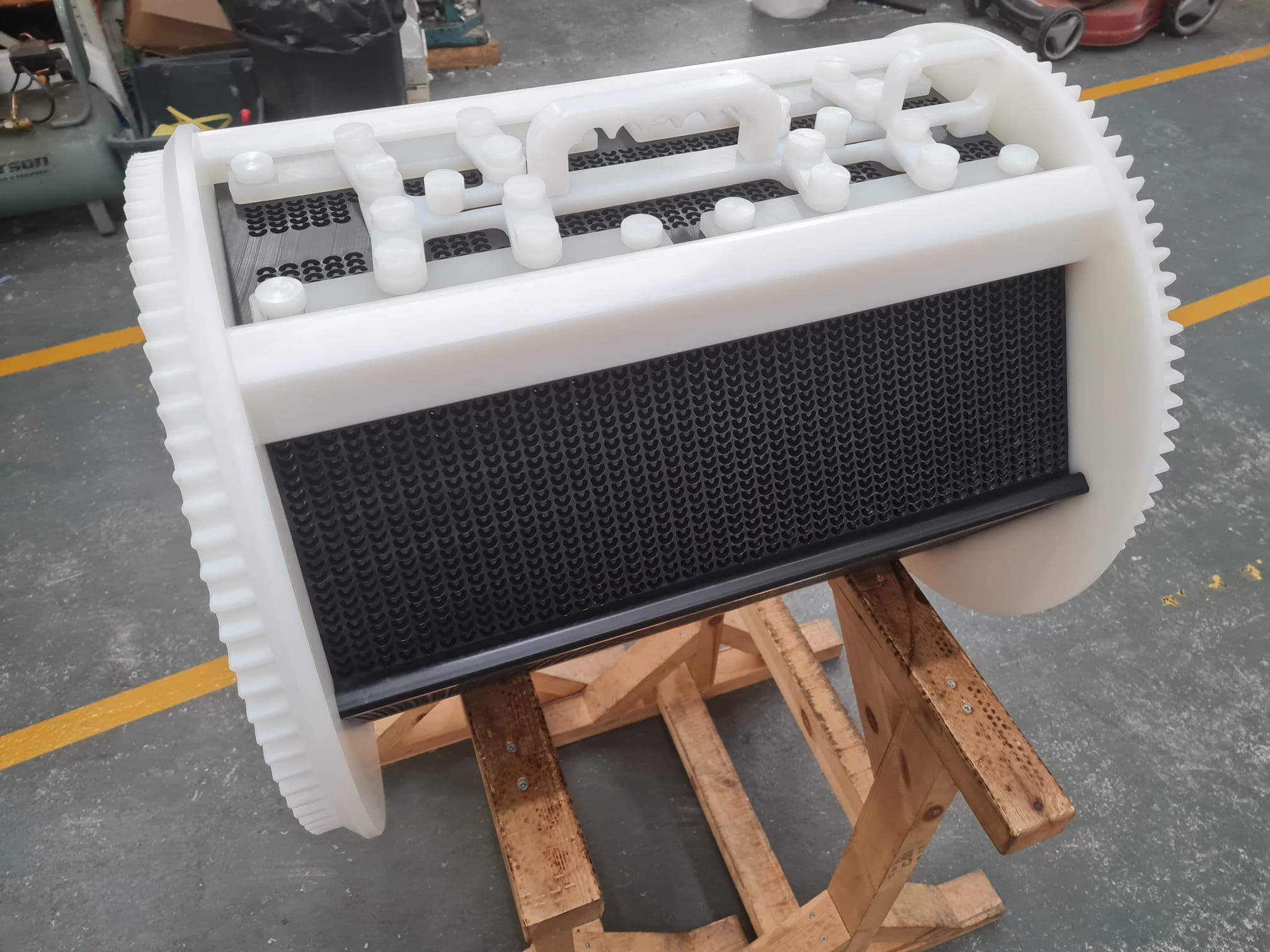
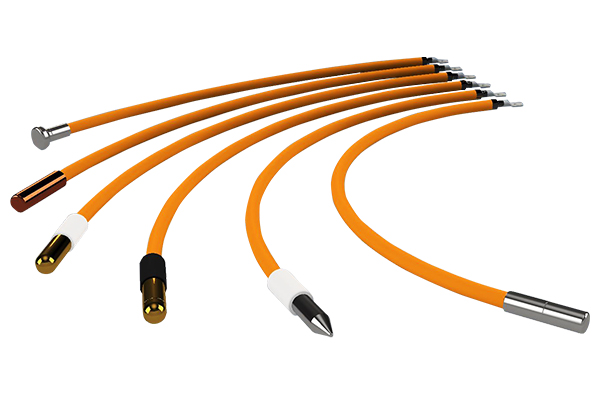
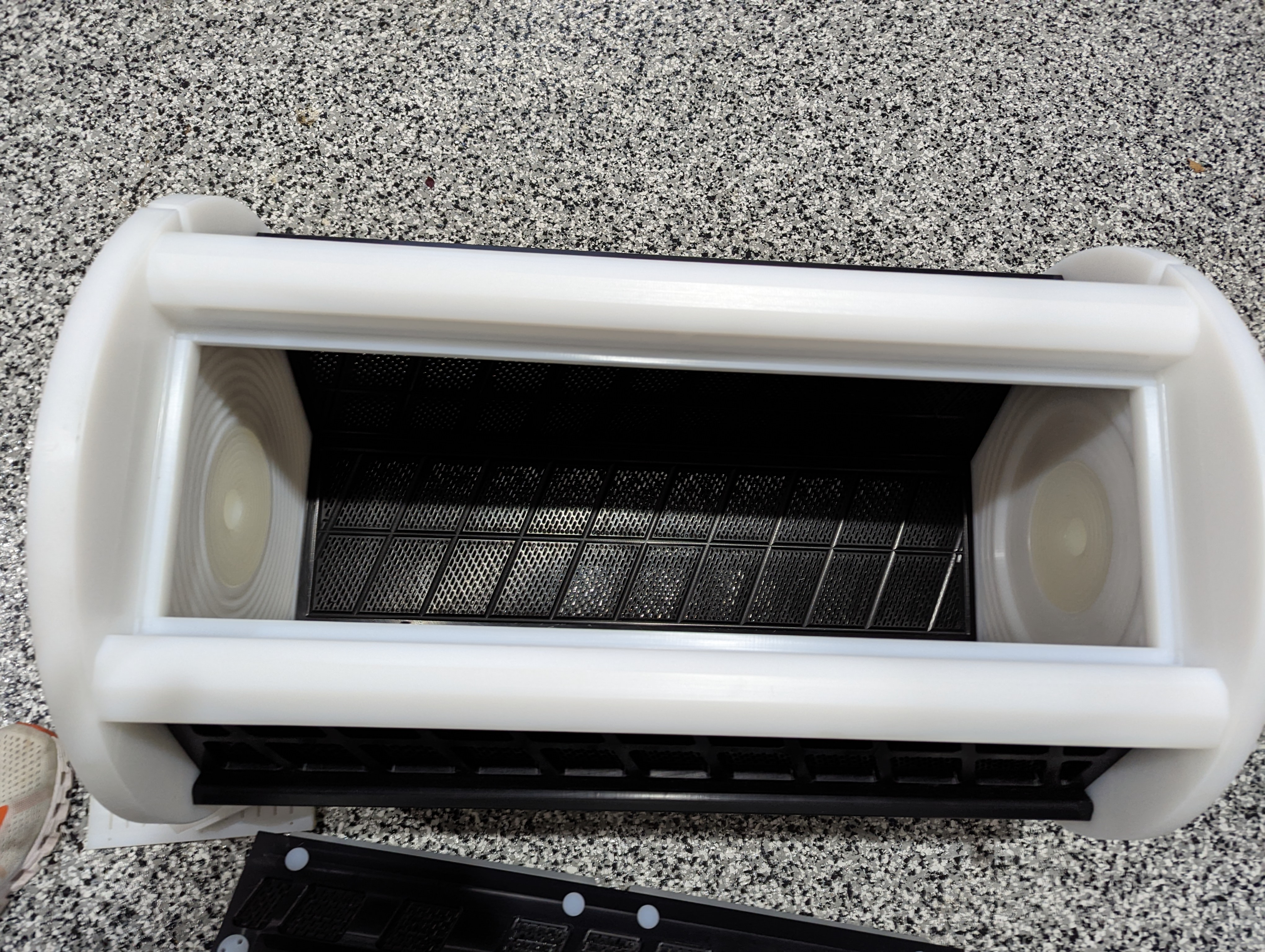
World-class PE1000 UHMW “No Peen” plating barrels with an unmatched lifespan — one-piece, fully sealed construction — paired with ultra-durable danglers available with fixed or removable mild steel, brass, stainless steel, or copper tips.
Use this partner when the problem is
Barrel wear, deformation, or poor drainage: PE1000, a variety of perforation options engineered to your shop's needs, and custom CAD engineering help address the actual failure mode.
Dangler failures: PVC and PUR-insulated danglers (PUR on high-amperage sizes), impact- and twist-resistant cable, and removable tip options reduce premature changeouts.
Legacy replacement uncertainty: Jim can help turn photos, measurements, and current line constraints into a quote-ready spec package.
PE1000 BarrelsCustom PerforationsPUR DanglersRemovable TipsOEM Spare Parts
Exclusive North American distributor for Eagle Engineering
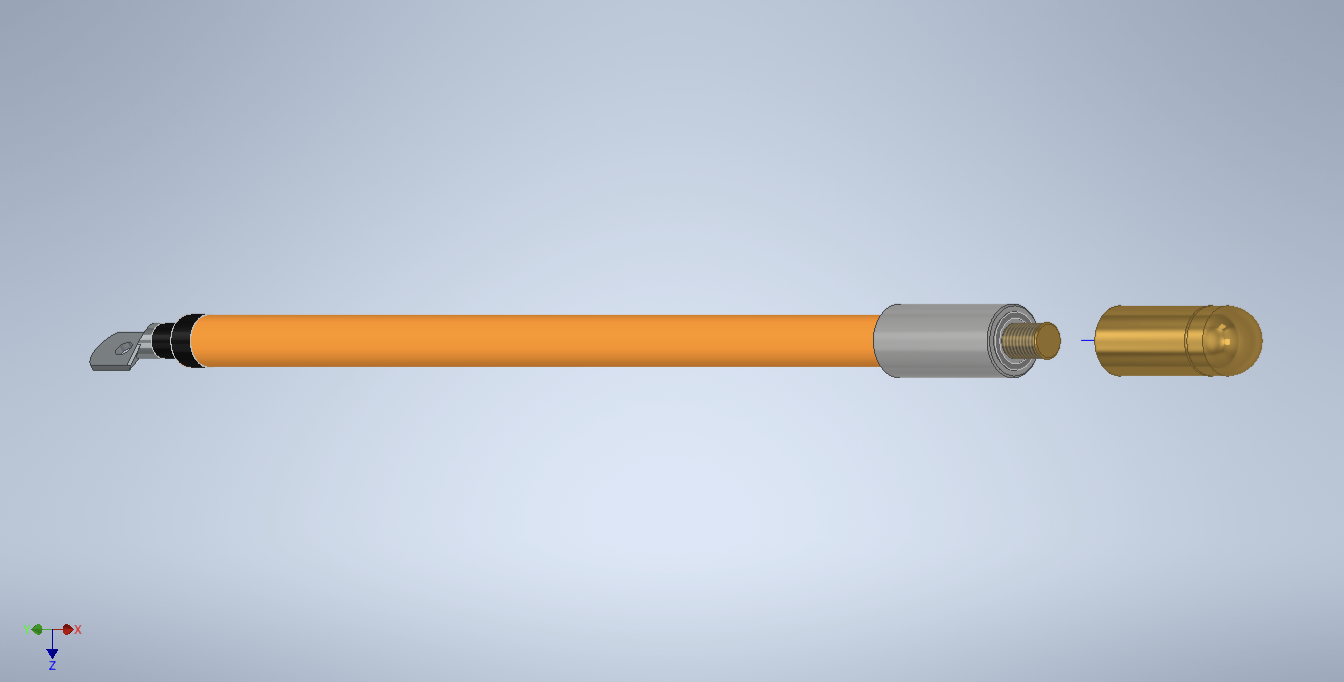
Eagle PE1000 Precision BarrelEagle PUR Dangler Range
Why the Barrel Upgrade Pays — Real Customer Results
A major automotive fastener manufacturer replaced their entire 48-barrel line with Eagle PE1000 barrels — documenting $247.88/barrel/year in energy savings alone ($11,898/year total), 50% faster fill times, 66% faster drain, and a 33% production capacity increase. PE1000 perforations maintained perfect geometry while the competitor’s PP barrels showed closed, deformed holes after just 6 months of identical use.
$11.9KAnnual energy savings (48-barrel line)
50%Faster barrel fill times
66%Faster drain · less drag-out
+33%Production capacity gain
SIDASA
SIDASA Engineering Ltd.
Rack + Barrel Plating Lines
Barcelona, Spain · Design, manufacturing, and commissioning
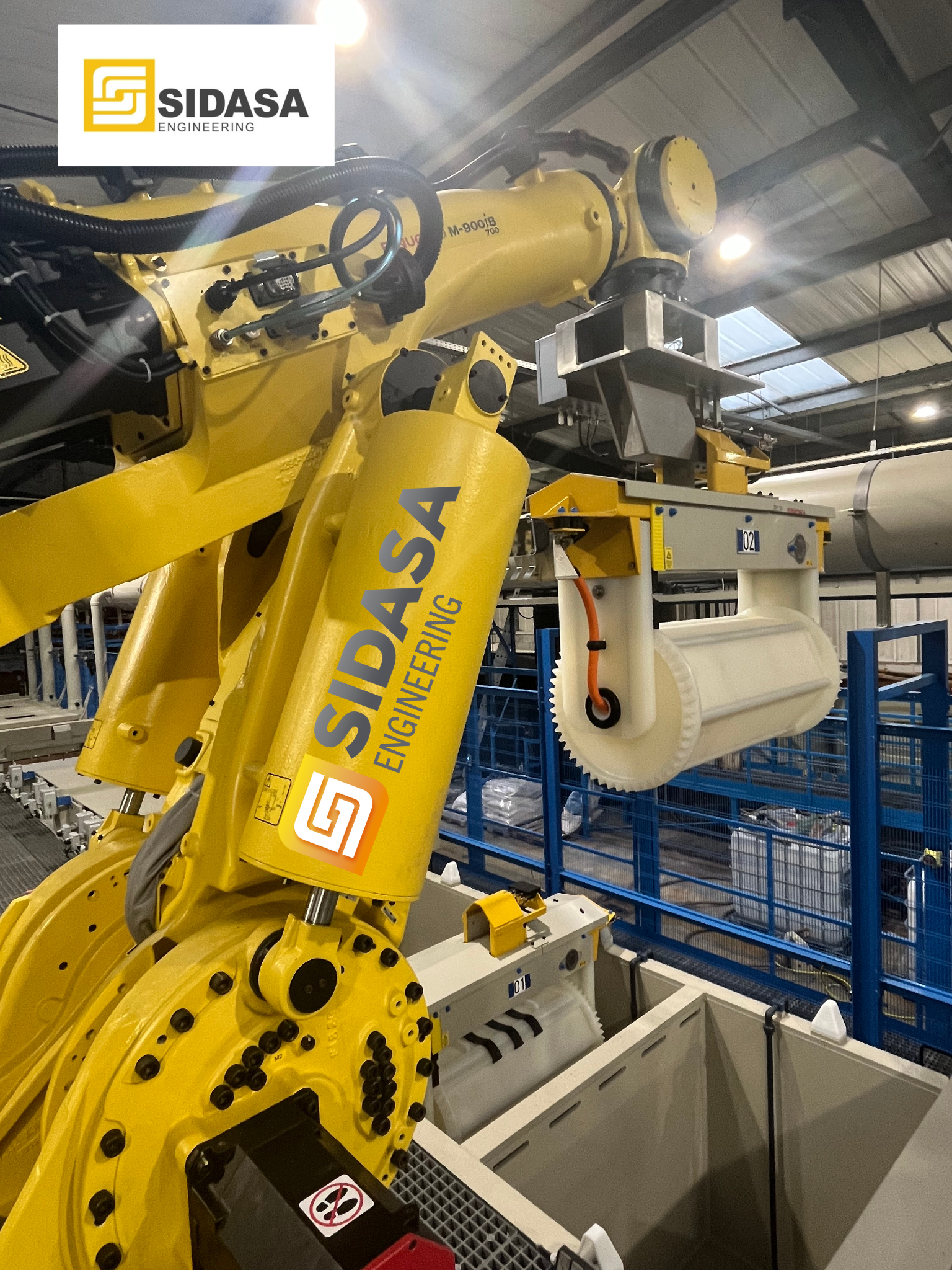
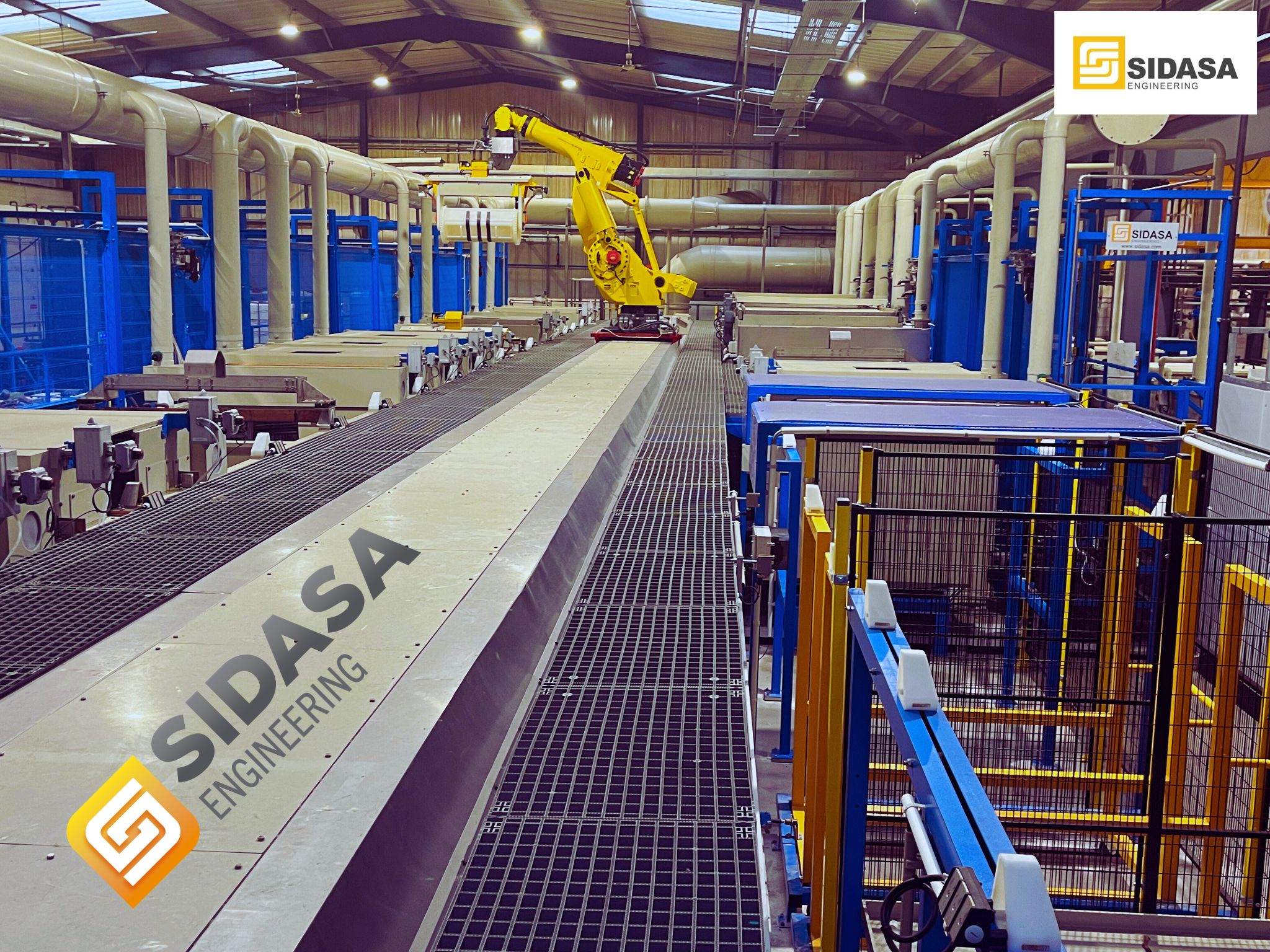
SIDASA designs, manufactures, and commissions rack and barrel plating lines, with customizable automation and robotics options for shops that need stronger throughput, repeatability, or modernization.
Use this partner when the problem is
The line is the bottleneck: layout, automation, handling, and process sequence need to be engineered as a system.
Labor or variability pressure: robotics and controlled transfer reduce operator-dependent cycle variation.
Major capital planning: Jim can help frame the scope before SIDASA engineering starts building a formal concept.
Rack LinesBarrel LinesRoboticsCommissioningTurnkey Systems
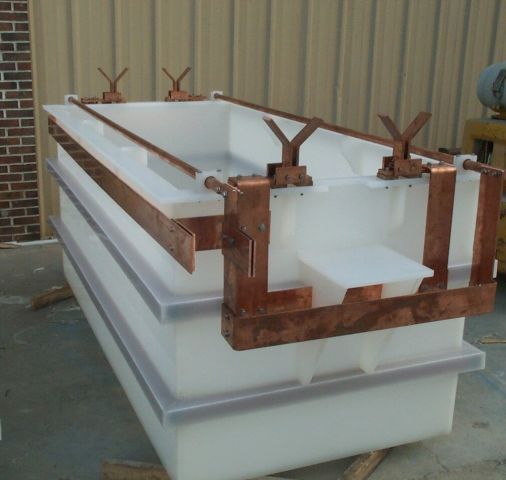
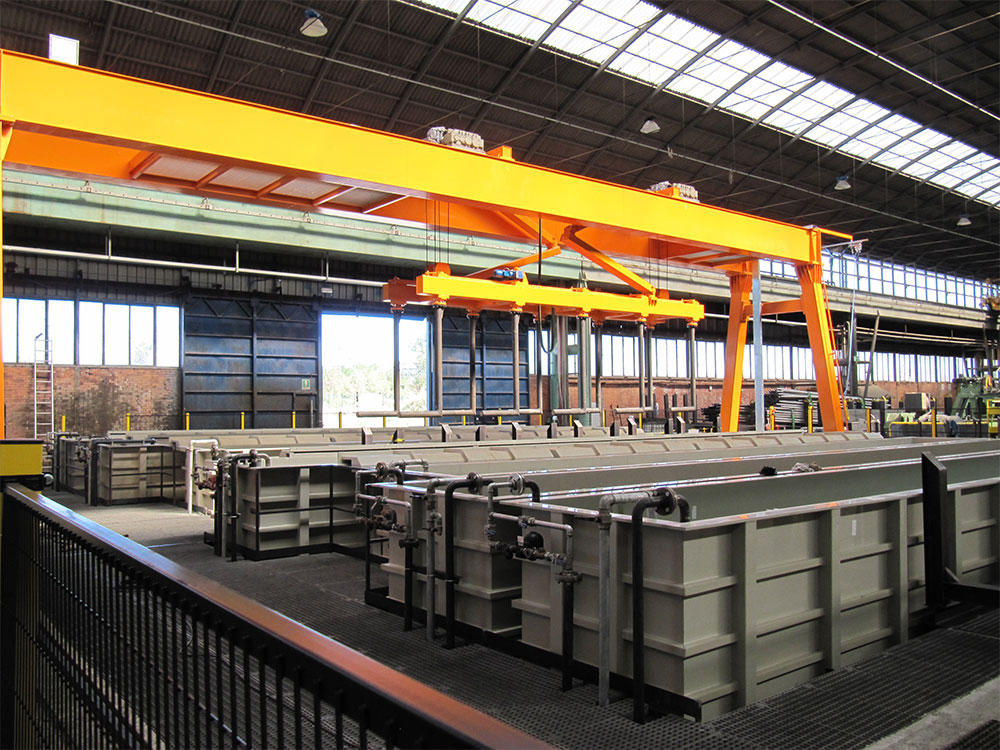
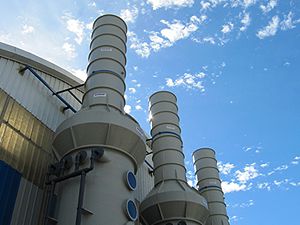
Tecnoplast designs, produces, and installs ventilation and air scrubber systems, along with custom high-quality plastic tank manufacturing for corrosive metal-finishing environments.
Use this partner when the problem is
Fume control: scrubbers, exhaust hoods, ductwork, fans, and air-handling systems sized to chemistry and facility constraints.
Tank replacement: thermoplastic tanks and vessels built around chemical compatibility, temperature, and geometry.
Infrastructure projects: plastics fabrication and chemical handling equipment around the process line.
Air ScrubbersVentilationPlastic TanksDuctworkChemical Handling
United States · Water- or air-cooled rectifier systems
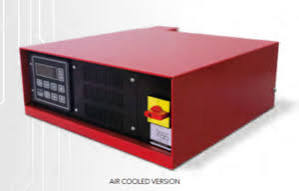
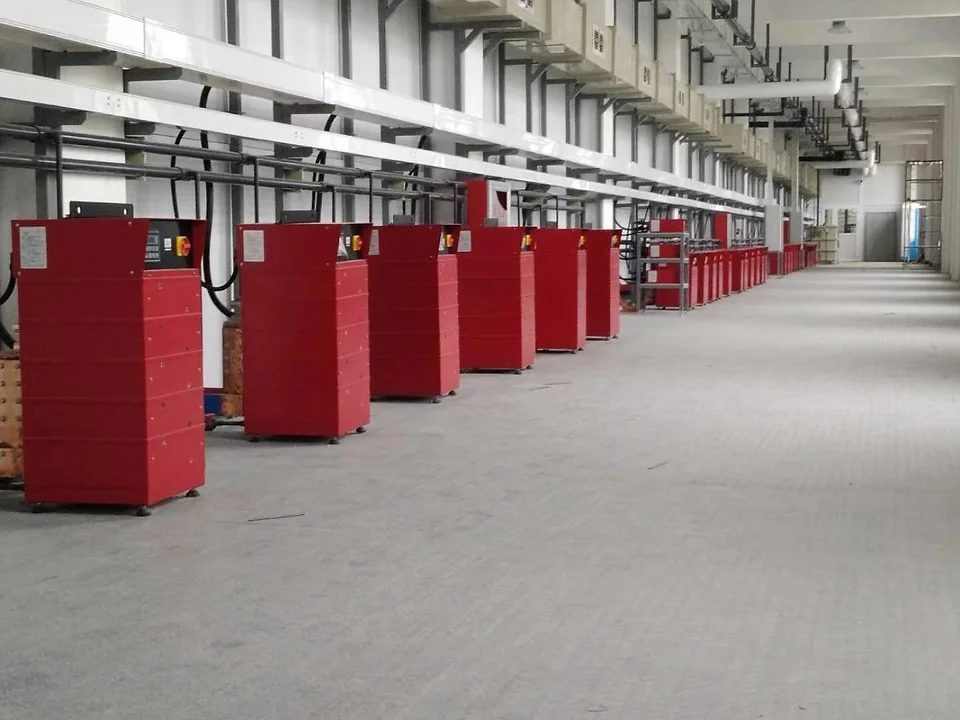
American CRS provides high-efficiency stackable switch-mode rectifiers, available water- or air-cooled, with maintenance, repair, and refurbishment support available on most makes and models of rectifier equipment.
Use this partner when the problem is
Unreliable DC power: aging rectifiers, current instability, service issues, or high-capacity production needs.
Repair versus replace: Jim can help decide whether the conversation should start with maintenance, refurbishment, or a new unit.
Cooling constraints: air- and water-cooled configurations allow the spec to match your environment.
Chemical feed · IoT remote monitoring · Automation controls
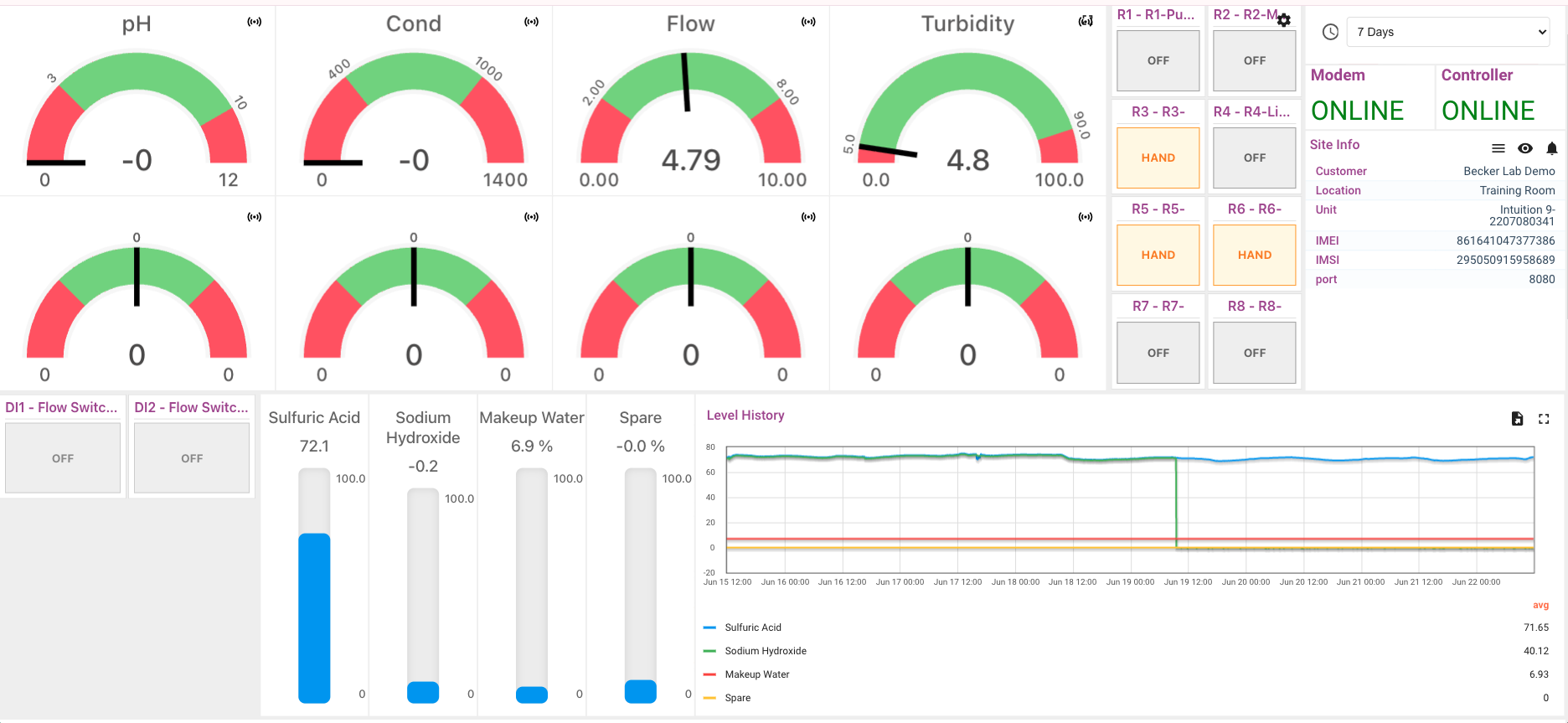
Becker Engineered Systems provides chemical feed systems, monitoring instrumentation, and automation controls for water treatment and metal finishing operations — including IoT-enabled remote monitoring through their Becker Connected Systems platform, which tracks treatment performance across multiple tanks or sites from a secure dashboard.
Use this partner when the problem is
Chemical feed precision: automated dosing controllers and pumps deliver treatment chemicals at the right rate — eliminating guesswork and reducing over-treatment costs.
IoT remote monitoring: Becker Connected Systems lets shops track water treatment data across multiple tanks or sites from a secure dashboard — catching compliance risk before it becomes a violation.
Accountability and control: logged dosing data and real-time monitoring reduce emergency interventions and support regulatory documentation.
Chemical FeedIoT MonitoringControllersPumpsAutomation
Quality-built polypropylene equipment and replacement support
BSI supplies quality-built polypropylene tanks and barrels, gears, and spare parts for shops that need practical replacement equipment, component support, or legacy-fit solutions.
Use this partner when the problem is
PP replacement work: the shop needs polypropylene tanks, barrels, gears, or spare parts that fit the current operation.
Legacy support: gear, spare-part, and replacement conversations need careful measurement instead of guesswork.
Cost-effective rebuilds: Jim can help decide when PP equipment is the right answer versus a PE1000 upgrade path.
PP TanksPP BarrelsGearsSpare PartsReplacement Support
Four-in-one tank systems for plating and finishing solutions
Flo King is the only in-tank, four-in-one system that pumps, filters, agitates, and treats solutions for electroplating, anodizing, and metal-finishing operations.
Use this partner when the problem is
Dirty or inconsistent baths: in-tank filtration helps remove particulates that can contribute to roughness, pitting, and rejects.
External plumbing headaches: submerged systems eliminate leaks and spills from external pump/filter loops.
Maintenance simplicity: pump, filter, agitation, and treatment functions are combined in one in-tank unit.
Reagent chemicals · Test kits · Software and technology
AquaPhoenix manufactures reagent chemicals and supplies chemical feed and control equipment, software and technology, and test kits and education kits for shops that need better measurement and process support.
Use this partner when the problem is
Poor bath visibility: better testing resources help operators see what is happening before quality drifts.
Reagent and kit consistency: standardized test kits and reagent support reduce avoidable variation.
Feed and control needs: chemical feed, control equipment, software, and technology support tighter process management.
Start with the operating problem you are trying to solve. From there, Jim helps you choose the right partner, the right material, the right configuration, and the right quote path — without paying for capability you don’t need.
Category 01
Barrels, Danglers & Spare Parts
PE1000 barrel upgrades, PP replacements, danglers, gears, and legacy-fit spares
Eagle
Barrel, Dangler & Spare Part Solutions
Eagle Engineering — Exclusive North American Distributor
PE1000 UHMW barrels · PUR cathode danglers · 3D CAD custom-engineered to your line
Eagle Engineering manufactures premium plating barrels and cathode danglers. Every barrel and dangler is 3D CAD-engineered to your exact line dimensions, operating conditions, and part geometry. Level Up Plating Supply is the exclusive authorized North American distributor — the only authorized source for Eagle Engineering products in North America, with full consulting, quoting, and logistics support coordinated through Level Up.
Standard Electroplating Barrels
UHMW PE1000 construction. 6, 7, or 9-sided polygons. Sizes from 300mm to 490mm across-flats, lengths 600–1400mm. Machine-cut perforations available in multiple patterns to match your part geometry, drainage, and open-area requirements. Door types: clip lid, slider catch, cam-lock, inside-out, plug lid. Max temp 85°C / 185°F.
Coin Plating Barrels
12mm perforations with 42% open area. CNC machined nodular internal faces prevent coin adhesion. Sinusoidal wave lid profile eliminates entrapment. One-piece wrap-around PE1000 cylinder.
Motorized Barrel Units
Complete matched assemblies — barrel, 304 or 316 stainless superstructure, SEW-Eurodrive motors, PE1000 hanger arms. Single, double, and multi-barrel configurations with Touch & Wipe contact systems.
Mini Barrels
Polypropylene mini units for small-batch, lab, and R&D work. 6/12/24V DC motor, 10 RPM, 0.50mm or 6.00mm perforations. Flexible dangler contact with changeable brass tip.
Cathode Danglers — Anti-Curl Cable
Cable sizes from 50mm² (1 AWG) through 185mm² (6/0 AWG). PVC insulation on smaller cables; PUR on 120mm² and 185mm² for high-amperage use. Anti-twist cable construction lays straight and stays straight — no curling, no kinking, no cable fatigue. Tips in mild steel, brass, stainless steel, or copper, fixed or detachable.
Outriggers, Bearings & Spares
Copper outrigger adaptors with phenolic insulation. Flanged PE1000 bearing hub axles with angled dangler hole (11° standard). PP locking rings with Viton anti-loosen. Replacement doors, hanger arms, and genuine Eagle OEM spares.
How an Eagle Engineering project actually runs
Send us your barrel drawings, a few measurements and photos, or one of your existing barrels — whatever you have. Eagle Engineering replicates the exact dimensions, Jim consults with you on perforation pattern, door style, and customization, and Eagle builds a prototype barrel for your line. You run it in production, see the results, and only then decide whether to scale to a full-line upgrade.
PE1000 vs PP
Eagle Engineering · Material Science
Why PE1000 Outperforms Standard Polypropylene.
Every other plating-barrel manufacturer in the market builds with polypropylene. Eagle Engineering builds with UHMW PE1000 — a premium-grade polyethylene. The difference is not marketing language. It shows up as perforations that stay open far longer, stronger joints, and barrels that have run 20+ years in documented cases instead of getting cycled out every two to five.
20+Years of continuous service (multiple Eagle barrels still running after 20+ years)
131%More open area with precision perforations (up to 26% vs 11% for typical round-hole PP barrels)
The Failure Mode That Costs Shops the Most
PP perforations close up. PE1000 perforations stay open far longer.
PE1000 is not a marginal upgrade over PP. It is a fundamentally different material — engineered to hold perforation geometry far longer, resist cracking under impact thanks to its higher tensile strength, and deliver long service life under the thermal, chemical, and mechanical load that barrel plating demands every day.
PP fails slowly and suddenly. Sustained heat and load cause PP perforations to deform and close, quietly degrading solution transfer and current distribution long before anyone schedules a replacement. A single drop can crack or shatter a PP barrel outright. PE1000 is far more resistant to both. The proof is on video.
Still running after 20 years — look at what the perforations look like.
Eagle PE1000 barrel in active production — 20+ years of continuous service, same line, same chemistry.
What happens when both barrels are dropped from the same height.
PP barrel vs. Eagle PE1000 barrel — same drop, same height. One cracked. One didn’t.
See the material science in action — PP vs. PE1000 strength test.
PP vs. PE1000 — same conditions, same geometry, different material. The science is visible. No explanation required.
The science doesn’t lie.
Two materials. Identical conditions. Zero narration needed. Every finishing shop has heard a sales pitch — this one you can see for yourself.
01
Perforation Integrity Holds Longer
PE1000’s molecular structure resists creep under sustained thermal and mechanical load. Perforations hold their machined size and stay open far longer. PP holes deform, close, and reduce in size over the life of the barrel — quietly choking flow.
02
7.5× Abrasion Resistance
PE1000 has a relative abrasion rating of 100 versus PP at 750 (lower is better). On a part-tumbling surface that sees thousands of cycles, that difference is the gap between a barrel that holds up through years of hard service and one that needs replacing in two to five years.
03
Double Lock Joint Construction
Standard PP barrels fail at the welded or molded joints first — that is the typical failure point under sustained load. Eagle Engineering’s proprietary Double Lock joint is engineered so the PE1000 material itself deforms before the joint does under destructive testing.
04
Wrap-Around Cylinder (Where the Design Allows)
Where the barrel design allows it, Eagle PE1000 cylinders can be manufactured as a single one-piece wrap-around skin — no multi-panel construction joints. That eliminates the chemical traps where plating chemistry seeps in over time and turns into contamination reservoirs you cannot clean out of a multi-panel PP barrel. (Designs that require internal breaker bars use a different construction.)
05
Higher Open Area Without Weakening
PE1000’s ultra-high tensile strength supports up to 40–45% perforation open area without compromising structural integrity. Precision-engineered perforation patterns deliver up to 131% more open area than typical round-hole PP barrels — 26% versus 11% — for dramatically faster fill and drain.
06
Drop & Impact Resistance
Drop a PE1000 barrel section — it absorbs the impact. Drop a PP barrel from the same height — it cracks. PE1000’s molecular entanglement distributes force across millions of contact points instead of concentrating stress at a fracture line.
Specification
Eagle PE1000
Industry-Standard PP
Primary Material
UHMW PE1000 — premium-grade polyethylene
Polypropylene — industry-standard grade
Abrasion Resistance (relative)
100 (7.5× better)
750 baseline
Perforation Integrity After 6 Months
Perforations stay open and hold geometry
Cold forming, deformation, perforations closing
Joint Construction
Proprietary Double Lock — material fails before joint
Welded / molded — typical failure point
Cylinder Construction
Wrap-around construction available (no chemical traps)
Multi-panel — joints accumulate chemistry over time
Maximum Perforation Open Area
Up to 40–45% (26% typical, pattern-dependent)
~11% typical with round-hole pattern
Barrel Geometry
Up to 9-sided polygon (+30% active volume)
6-sided hex or cylindrical
Drop / Impact Behavior
Higher tensile strength — far less prone to cracking
Cracks at impact site
Documented Service Life
20+ years documented in multiple facilities
2–5 year replacement cycles typical
Replacement Frequency
Far fewer over the barrel’s life
Replaced every 2–5 years
20-Year Total Cost of Ownership
40–60% lower TCO
Higher TCO from repeated replacement, downtime, drag-out, energy waste
Performance figures based on documented customer-reported operating conditions and Eagle Engineering manufacturing data. Individual results vary by application. Eagle Engineering carries ISO 9001 certification with 57+ custom barrel designs delivered to North American plating operations.
The bottom line
The cheaper barrel almost always costs more over five years — in rejects, drag-out, energy, downtime, and rebuy cycles. Spending a little more upfront on a properly engineered PE1000 barrel is one of the most reliable ways a plating shop builds long-term ROI on its line.
Detachable Tips
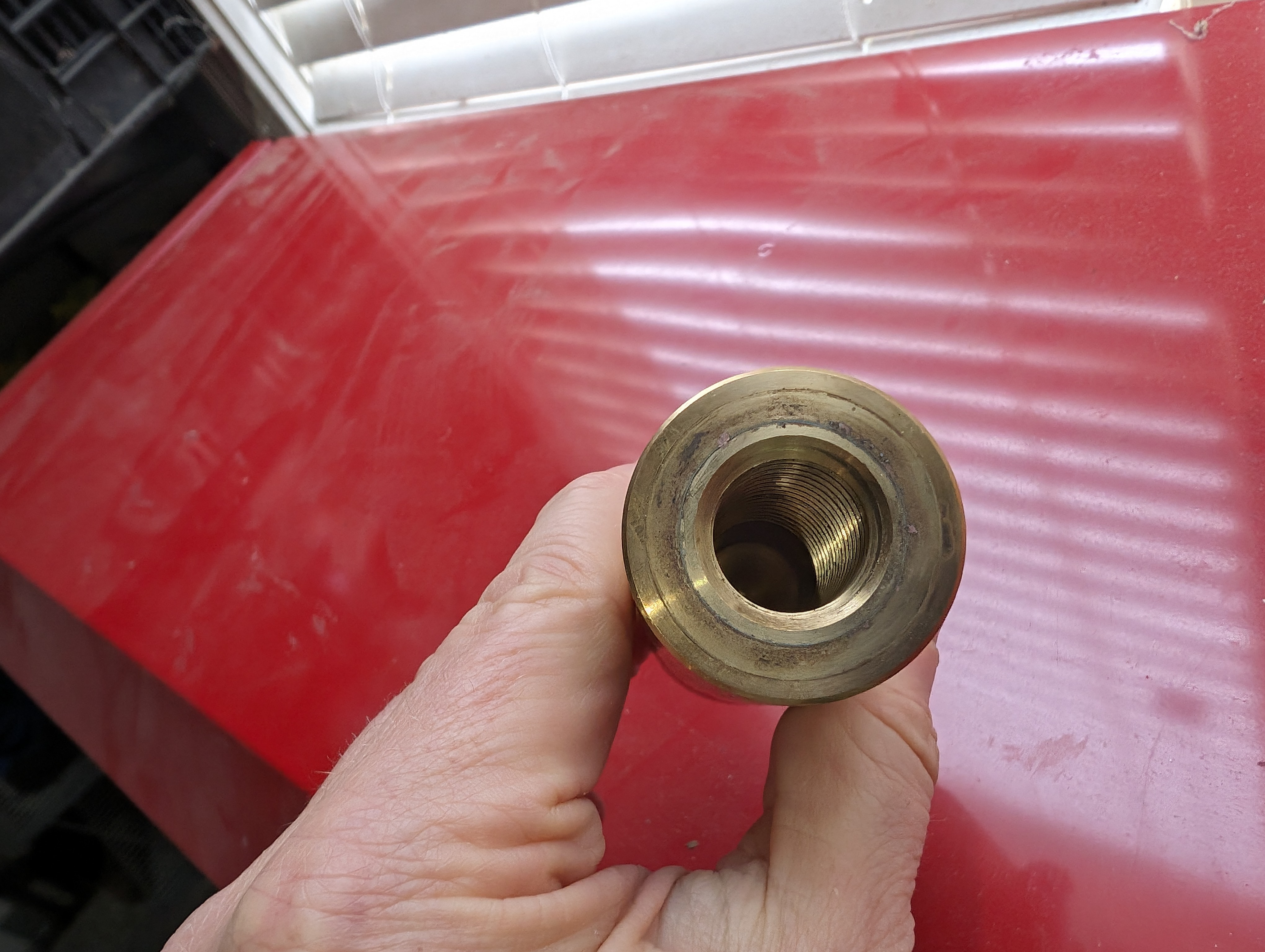
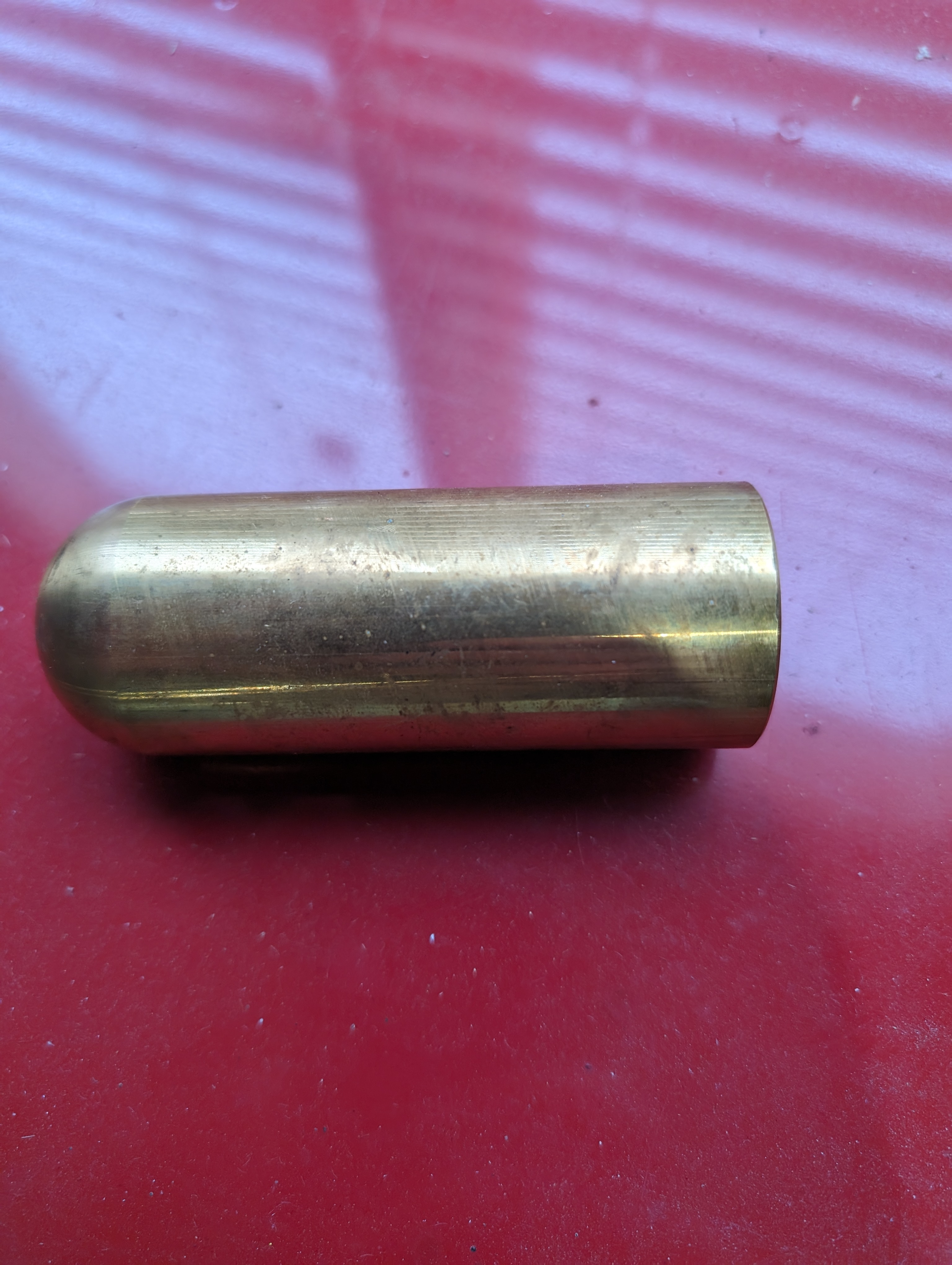
Screw-in brass tip · threads into the dangler cable
Tip side viewEngineering drawing
Eagle Engineering · Featured Innovation
The Detachable Dangler Tip System
Every other dangler on the market forces you to replace the entire cable when the tip wears out — cable, insulation, lug, and all. Eagle Engineering’s precision-threaded detachable tip system lets you unscrew the worn tip and screw in a new one in seconds. You keep the cable. You keep the lug. You keep the connection to the bus bar. You replace only what actually wore out.
On a multi-barrel line, that single design choice compounds over time — less cost per replacement cycle, less labor per swap, less downtime per wear-out event. The concept is simple. The savings are significant.
01Tip-only consumable cost
The tip is the consumable. The cable, insulation, and lug are not. Replace what actually wore out — not the parts that still have years of service left.
02Less line downtime
A worn tip is a wrench-and-swap operation on the floor in under a minute. No re-routing of a full dangler, no re-lugging, no re-torquing the bus bar connection.
03Right tip material for the bath
Tips ship in mild steel, brass, stainless steel, and copper. Pick the material that fits your chemistry and current density — without committing to a full dangler in that material.
04L/H and R/H configurations
Detachable tips are available in both left-hand and right-hand thread configurations so they install correctly on either side of the barrel without unscrewing themselves under rotation.
05Standardized inventory
Stock a small bin of tips instead of full danglers. Easier ordering, less working capital tied up on the shelf, and a faster path back to running production.
06Full PUR cable life
The PUR-insulated, anti-twist cable keeps its life cycle measured in years — even while tips cycle through every 8–12 months. The expensive part stops being the disposable part.
07Cables that don’t curl
Eagle danglers are engineered with an anti-twist cable construction that lays straight and stays straight. No curling, no kinking, no tangles during installation or rotation — less handling time, less frustration, fewer premature failures from cable fatigue.
Tip Material Quick Reference
Tip Material
Best For
Conductivity
Typical Service Life*
Mild Steel
Standard U.S. zinc plating — most common job-shop tip
Moderate
8–12 months
Brass
Higher current densities, Japanese OEM standard for zinc
High
10–14 months
Stainless Steel
Aggressive chemistries where mild steel corrodes too fast
Lower
12–18 months
Copper
Maximum conductivity applications and specialty plating
Highest
Application-specific
*Service life depends on amp load, bath chemistry, duty cycle, and part contact behavior. Jim can help you pick the right tip material for your line — and rotate to a different material if the tip wear pattern says something has changed.
Dangler Cable Sizing Quick Reference
Cable Size
AWG
Diameter
Amps / Dangler
Insulation
Tips
50mm²
1 AWG
20mm
~200A
PUR/PVC
Fixed only
70mm²
2/0 AWG
24mm
~250A
PUR/PVC
Fixed only
120mm²
4/0 AWG
28.5mm
350–450A
PUR
Fixed & Removable
185mm²
6/0 AWG
30.5mm
450–550A
PUR
Fixed & Removable
120mm² (4/0 AWG) covers roughly 97% of zinc plating applications — about 900A per barrel with two danglers. Most U.S. job shops run mild steel tips; Japanese OEMs often prefer brass for higher conductivity. With Eagle Engineering’s detachable system, removable tips cycle every 8–12 months while the PUR cable itself lasts years.
The bottom line
A dangler should not be a disposable. Eagle Engineering’s detachable tip system turns the expensive part of a cathode dangler back into a long-life asset — and the wear part back into a real consumable.
BSI — polypropylene barrels, tanks, gears, and spares
Quality-built PP replacement equipment and legacy-fit components
BSI supplies quality-built polypropylene tanks, barrels, gears, and spare parts — the practical answer when the right move is to keep an existing line running cleanly, not to rebuild it. Useful when PP is the right material for the duty, when budget realities push toward a measured rebuild, or when an existing barrel design needs to be matched carefully.
PP Plating Barrels
Polypropylene barrels for shops where PP is the right fit for the chemistry, load, and operating duty.
PP Tanks
Polypropylene tanks for plating, rinsing, and ancillary process needs — built for chemical compatibility and service life.
Replacement Gears
Drive gears for existing barrel lines — useful when the conversation is “keep this barrel running” not “replace it.”
Spare Parts
Practical replacement components for keeping legacy and current production equipment in service.
Legacy-Fit Support
Helpful when geometry needs to match an existing line precisely — not a catalog substitute.
PE1000 vs. PP Guidance
Jim helps you decide when PP makes economic sense and when an Eagle Engineering PE1000 upgrade is worth the step up.
Category 02
Automated Rack & Barrel Lines
Line design, manufacturing, commissioning, robotics, and modernization projects
SIDASA
Automated Rack & Barrel Line Projects
SIDASA Engineering — full-line plating systems
Barcelona, Spain · Design, manufacturing, commissioning, and robotic integration
SIDASA Engineering designs, manufactures, installs, and commissions full rack and barrel plating lines — with customizable automation and robotic integration. The right fit for shops evaluating a full line replacement, a brownfield modernization, or a step-change in throughput and repeatability. Jim helps you frame the project scope and operating goals before SIDASA engineers a formal concept.
Automated Rack Plating Lines
Custom rack lines built around chemistry sequence, part geometry, load size, throughput, cycle time, and available floor space.
Automated Barrel Plating Lines
Barrel lines designed for consistent fill, drain, and transfer behavior — engineered around the barrel design that fits your work.
Robotic Integration
Reduces operator-dependent cycle variation and labor pressure. Robotics specified to match line complexity and uptime targets.
Process Engineering
Chemistry sequence, rinse staging, treatment integration, and material handling all engineered together rather than bolted on.
Commissioning & Startup
A single manufacturer-led path from concept through engineering, build, installation, and production startup.
Modernization & Retrofits
Targeted upgrades when the right answer is to extend the life of an existing line instead of replacing it entirely.
Category 03
Testing, Reagents & Chemical Feed
Reagent chemicals, test kits, feed equipment, controls, software, and bath visibility
AquaPhoenixBecker
Testing, Reagents & Feed Support
AquaPhoenix Scientific — reagents, test kits, feed & controls
Bath visibility, standardized testing, and process management technology
AquaPhoenix manufactures reagent chemicals and supplies chemical feed and control equipment, software and technology, and test kits and education kits — everything a finishing shop needs to keep its baths in spec and its operators confident in their measurements. The right fit when the diagnostic conversation keeps coming back to bath drift or testing inconsistency.
Reagent Chemicals
Manufactured reagent chemicals for consistent testing across operators, shifts, and lots. Stable supply removes a common source of measurement variation.
Test Kits & Education Kits
Operator-friendly testing resources that help shops catch chemistry drift before quality starts to suffer on the rack or in the barrel.
Chemical Feed Equipment
Metering and dosing equipment for tighter, more repeatable additions — less reliance on operator memory and seasoned guesses.
Process Controls
Control hardware that pairs with feed equipment to keep the bath where it should be without constant manual adjustment.
Software & Technology
Digital tools that turn point-in-time tests into trend data, so drift shows up early instead of as a quality problem.
Training & Education
Resources for getting newer operators comfortable with standardized testing — useful when the experienced team is thinning.
Becker Engineered Systems — chemical feed and monitoring
Precision-engineered water and treatment chemical management
Becker partners with industrial clients in the water treatment sector, delivering precision-engineered solutions for the application, monitoring, and management of water-related treatment chemicals and systems. A good fit when treatment-side reliability and cost control are the constraint.
Chemical Feed Equipment
Metering and feed systems for treatment-side consistency and reduced manual intervention.
Monitoring Systems
Real-time visibility into how the treatment system is actually behaving — not just snapshot readings.
Application Engineering
Engineering support for matching feed and control equipment to the specific chemistry and operating need.
Becker Connected Systems — IoT
Remote monitoring of chemical feed activity, dosing rates, and treatment performance across tanks or sites from a secure dashboard — problems show as data trends before they become compliance events.
Category 04
Rectifiers & DC Power
Switch-mode rectifiers, air/water cooling, maintenance, repair, and refurbishment
American CRS
Rectifier & DC Power Support
American CRS Equipment — switch-mode rectifiers
High-efficiency DC power, repair, and refurbishment for plating operations
American CRS Equipment provides high-efficiency stackable switch-mode rectifiers, available water- or air-cooled, with maintenance, repair, and refurbishment support on most makes and models of rectifier equipment. The right partner when DC power reliability, accuracy, or aging hardware is what is holding the line back.
Switch-Mode Rectifiers
High-efficiency stackable units sized to your line load and chemistry. Stable current output for tight plating spec windows.
Air-Cooled Configurations
Air-cooled designs where facility plumbing constraints, footprint, or simpler maintenance are priorities.
Water-Cooled Configurations
Water-cooled units for high-capacity continuous production where heat rejection matters most.
Maintenance & Repair
Service support on most makes and models — useful when the conversation should start with diagnosis, not replacement.
Refurbishment Path
A practical option when a rebuild makes more economic sense than a full new install — especially with otherwise sound hardware.
Sizing & Spec Support
Help right-sizing the rectifier to part load, current density, and bath chemistry — so you don’t overbuy or under-spec.
Category 05
Tanks, Plastics & Line Infrastructure
Thermoplastic tanks, plastic fabrication, PP barrels, gears, spares, and tank hardware
TecnoplastBSIAMCW
Tank & Infrastructure Support
Tecnoplast USA — thermoplastic tanks and process vessels
Custom chemical-resistant fabrication built around your line
Tecnoplast USA designs, fabricates, and installs custom high-quality thermoplastic tanks, vessels, and chemical handling equipment for corrosive metal finishing environments. Built around your chemistry, your temperature, and the geometry your facility actually has.
PP & PVC Plating Tanks
Custom polypropylene and PVC plating tanks fabricated to your chemistry, temperature, and dimensional requirements.
Rinse & Process Vessels
Rinse tanks, storage tanks, settling tanks, and specialty process vessels built for the duty.
Chemical Handling Equipment
Ancillary plastic equipment for chemical storage, transfer, and handling around the plating line.
Facility-Fit Fabrication
Useful when dimensions, fittings, anchor points, and facility layout constraints all need to be respected.
Installation Support
Project support that follows through from drawing approval to on-site installation, not just delivery.
Compatibility Engineering
Material and design choices matched to bath chemistry and operating temperature for real service life.
BSI — PP tanks, barrels, gears, and spare parts
PP equipment and replacement components
BSI quality-built polypropylene tanks, barrels, gears, and spare parts — the right partner when keeping the existing line productive matters more than starting from scratch.
PP Tanks & Barrels
Polypropylene tanks and barrels for shops where PP is the right operating fit.
Gears & Spares
Practical replacement components for keeping existing equipment in production.
Legacy-Fit Replacements
A good fit when the project depends on matching existing geometry rather than buying from a catalog.
Custom Fabrication
PP fabrication to spec when catalog parts don’t fit the application — custom dimensions, fittings, and configurations.
AMCW — tank hardware and heat exchangers
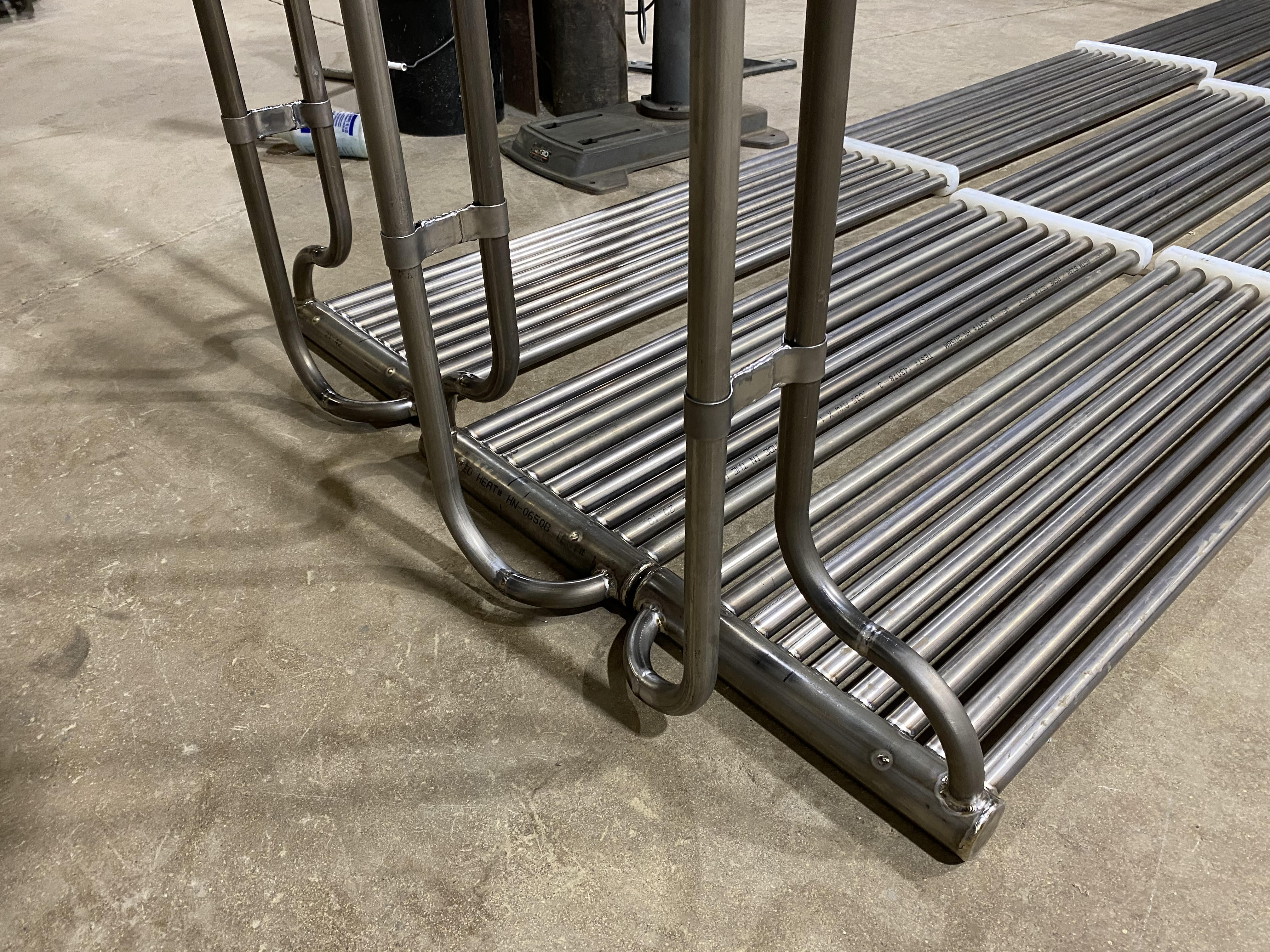
Heavy-duty metal hardware inside the tank
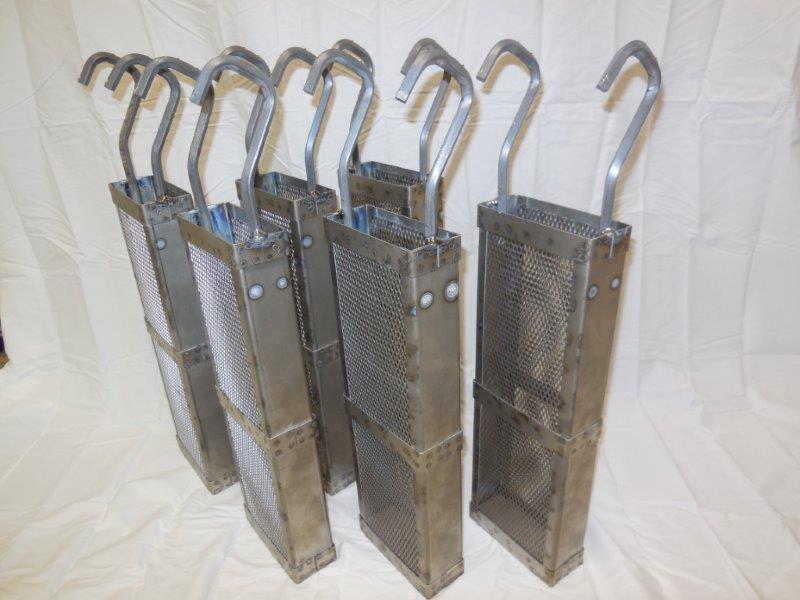
AMCW supplies the metal hardware that lives inside the tank — anode baskets, heating and cooling coils, heat exchangers, spin baskets, and other specialty fabrication. Built for shops where the hardware has to survive aggressive chemistry and real production abuse.
Anode Baskets
Steel spiral, rectangular, and heavy-duty titanium baskets matched to bath chemistry and duty.
Heating & Cooling Coils
Robust coils and heat exchangers sized for bath chemistry, temperature, and heat load.
Spin Baskets
Heavy-duty spin baskets for barrel-line support and specialty applications.
Coil Repair Services
Repair and refurbishment of existing heating and cooling coils — a cost-effective alternative to full replacement when the coil is repairable.
Category 06
Ventilation, Scrubbers & Fume Control
Air scrubbers, exhaust hoods, ductwork, fans, and corrosive fume management
Tecnoplast
Ventilation & Fume Control
Tecnoplast USA — ventilation and air scrubber systems
Engineered air handling for corrosive plating environments
Tecnoplast USA designs, manufactures, and installs ventilation and air scrubber systems for the metal finishing industry — sized to the chemistry, sized to the facility, and built for the realities of corrosive air handling. The right partner when operator conditions, regulatory pressure, or odor concerns make air the bottleneck.
Air Scrubber Systems
Vertical, horizontal, activated carbon, venturi, and sieve tray technologies — specified to the acid or alkaline fume load.
Exhaust Hoods
Chemical-resistant exhaust hoods sized to the tank and the operating chemistry.
Ducts & Stacks
PP and FRP ductwork and stacks built for sustained chemical exposure.
Fans & Blowers
Air movement equipment sized to the scrubber, the duct run, and the facility static pressure.
Compliance Sizing
CFM calculations and capture-velocity work matched to specific bath chemistries and operator exposure goals.
Project Installation
Project support that follows through to on-site install — not just an equipment hand-off.
Category 07
Water Treatment, Filtration & Agitation
Water treatment systems, chemical management, in-tank filtration, agitation, and treatment
BeckerFlo KingAquaPhoenix
Water Treatment & Filtration
Becker Engineered Systems — water treatment management
Treatment chemicals, feed, monitoring, and management visibility
Becker Engineered Systems partners with industrial clients in the water treatment sector to deliver precision-engineered solutions for the application, monitoring, and management of water-related treatment chemicals and systems. A good fit when treatment-side reliability, cost control, and visibility are the constraint.
Treatment Systems
Engineered solutions for water-related treatment chemicals and systems — designed for the operating reality.
Chemical Feed
Feed equipment and controls for consistent treatment-side dosing without operator guesswork.
Monitoring & Management
Real-time visibility into treatment system behavior so problems show up early, not as a compliance event.
Becker Connected Systems — IoT
Remote monitoring of chemical feed activity, dosing rates, and treatment performance across tanks or sites from a secure dashboard — problems show as data trends before they become compliance events.
Flo King — in-tank pumping, filtering, agitation & treatment
The only four-in-one submerged system for plating and finishing baths
Flo King is the only in-tank, four-in-one system that pumps, filters, agitates, and treats plating, anodizing, and metal finishing solutions — all from one submerged unit. The right choice when external pump-and-filter loops are creating leaks, plumbing complexity, or maintenance pain.
In-Tank Pumping
Moves solution inside the tank without external piping — one less place for leaks and chemical exposure.
In-Tank Filtration
Removes particulates that can contribute to roughness, pitting, and downstream rejects.
Agitation
Consistent agitation built into the same submerged unit — no separate agitator install.
Solution Treatment
Treatment functions integrated into the same unit for cleaner, more consistent bath behavior.
AquaPhoenix — reagents and test kits
Measurement support for treatment-side visibility
AquaPhoenix reagents, test kits, and process technology — the measurement side of treatment. Useful when the operators running the treatment system need consistent, repeatable readings to drive decisions.
Reagent Chemicals
Manufactured reagents that keep testing consistent across operators, shifts, and lots.
Test & Education Kits
Operator-friendly testing kits and training resources for treatment-side process control.
Software & Technology
Process-management technology that turns spot readings into actionable trend data.
AMCW — baskets, coils, exchangers, and custom fabrication
Heavy-duty hardware built to survive aggressive chemistry and real production duty
AMCW manufactures steel spiral and rectangular dissolving baskets, heavy-duty titanium baskets, robust heat exchangers, spin baskets, EN controllers, carbonate removal systems, and zinc generators. Built for the bath, the duty cycle, and the workload your line actually puts on the hardware.
Steel Anode Baskets
Steel spiral and rectangular dissolving baskets for standard plating bath duty.
Titanium Baskets
Heavy-duty titanium baskets where aggressive chemistry and long service life matter.
Heat Exchangers
Robust heat exchangers sized to bath thermal load and operating chemistry.
Heating & Cooling Coils
Process coils built to match bath chemistry, temperature, and heat load.
Spin Baskets
Heavy-duty spin baskets for barrel-line support and specialty applications.
EN Controllers
Electroless nickel process controllers for tighter bath management.
Carbonate Removal
Carbonate removal systems for cyanide and alkaline plating chemistries.
Zinc Generators
Zinc generators and other specialty fabricated hardware around the bath.
Not Sure Which Category Fits?
That is exactly where Jim is most useful. Describe the symptom, the equipment you have, and what you are trying to improve.
Level Up Plating Supply exists for plating shops that need more than a quote. Jim Saas helps customers understand what is going wrong on the line, what information the manufacturer actually needs, and which equipment path is worth pursuing — before you spend on the wrong solution.
The Person Behind the Recommendation
Jim Saas Owner & Founder
Jim has spent more than 35 years in metal finishing supply, much of it walking zinc plating lines across Indiana, Ohio, and Kentucky. He learned the business through the Saas family’s All-Star Chemical roots — working alongside real production problems on the floor, not selling from a distance. Today he works alongside a business partner and support team serving operations across all of North America. We ship and consult coast to coast.
That background matters because most equipment requests are not simple part-number orders. A shop may know that barrels are wearing out, danglers are failing, ventilation is struggling, or wastewater is becoming harder to manage — but the right solution depends on load weight, chemistry, temperature, part geometry, line layout, maintenance history, and how the current equipment is behaving under real production stress.
Level Up Plating Supply’s job is to translate that shop-floor reality into a cleaner specification, a better manufacturer conversation, and a recommendation you can trust.
Why customers call Jim
Diagnose
Sort symptoms from root causes before pushing any product.
Measure
Clarify exactly what the manufacturer needs for a useful, accurate quote.
Match
Choose the partner best suited to the operating problem — not the easiest sale.
Guide
Help the customer understand the real tradeoffs, not just the prices.
JS
Consulting, not catalog guessing. The value is in knowing what questions to ask before the RFQ becomes a drawing, a quote, or a purchase order you regret.
The Business Behind the Mission
Mark McKenzie Partner & Operations
Mark joined Level Up Plating Supply from a background in financial analysis, sales operations, and systems-building. His role covers the back office logistics, infrastructure, and outreach that lets Jim’s expertise reach plating shops across all of North America. Jim diagnoses the problem on the floor. Mark keeps the operation running so Jim can stay focused on the work that matters.
Jim knows what a plating shop needs. Mark’s job is to make sure shops across North America get that conversation.
What Mark brings to Level Up
Build
Operational systems and sales infrastructure that scale Jim’s consulting beyond word-of-mouth and geography.
Support
Back office logistics, order coordination, and sales operations support that keep the business running smoothly behind every customer interaction.
Reach
Content, outreach, and partner relationships that connect Jim’s field expertise with shops across North America.
MM
Jim knows the line. My job is to make sure every shop in North America gets the chance to find him.
How Level Up Works
Better specs create better outcomes.
Level Up Plating Supply is not a giant catalog. We are a focused equipment and consulting partner for plating operations that need sharper thinking before they spend money — and a trusted point of contact afterward.
Step 01
Ask
What is failing, wearing out, slowing production, creating rejects, or creating compliance pressure?
Step 02
Frame
What measurements, photos, chemistry details, and operating constraints does the manufacturer need before quoting?
Step 03
Source
Which partner is the right fit for the equipment, material, support, or control problem in front of you?
Our Manufacturing Partners
A tighter partner network with a clear purpose.
Level Up works with a focused group of manufacturers — each one chosen because they give Jim a different lever to pull when a shop needs to solve a real equipment or process-support problem.
Eagle EngineeringPE1000 barrels, danglers, and engineered replacement projects.
SIDASARack and barrel plating lines with robotics and automation.
TecnoplastVentilation, scrubbers, plastic tanks, and thermoplastic fabrication.
American CRSSwitch-mode rectifiers, repairs, maintenance, and refurbishment.
AMCWAnode baskets, coils, heat exchangers, spin baskets, and custom hardware.
BSIPolypropylene tanks, barrels, gears, and spare parts.
BeckerWater treatment, chemical feed, monitoring, and management.
Flo KingIn-tank pumping, filtering, agitation, and treatment systems.
AquaPhoenixReagents, test kits, feed/control equipment, software, and technology.
How We Earn Your Trust
The recommendation should feel earned.
A plating shop has usually lived with the problem longer than any supplier has heard about it. Our job is to respect that experience — not to overpromise, overgeneralize, or pretend every problem has the same answer. The right job is to help you gather the right information and feel confident that the recommendation is grounded in real shop-floor experience, not a catalog.
A Note From Jim
“Tell us what the line is doing. I’ll help you figure out whether the next step is a quote, a measurement, a better photo, a manufacturer conversation, or a different way to think about the problem altogether.”
35+ Years in Metal Finishing SupplyZinc Plating Line ExperienceSaas Family / All-Star Chemical RootsVetted Manufacturing PartnersConsulting Before Quoting
Want Jim to Look at a Line Problem?
Send the symptom, a few photos, and what you are trying to improve. The first job is to frame the problem clearly — then we can talk about the right equipment.
Whether you need a barrel quote, chemistry guidance, a line design conversation, or help diagnosing why your current operation isn’t performing the way it should — reach out. Every inquiry is answered personally by Jim and his team, typically within one to three business days, by people with real metal finishing experience on the shop floor.
Practical field knowledge drawn from 35+ years in the metal finishing supply industry — written for shop operators, production managers, and engineers who want fewer rejects, less downtime, and a tighter, more predictable process.
No articles match that search. Try another option or .
That’s the Full Library
Have a question the articles didn’t answer?
Jim and his team are happy to talk through any process question directly — whether it leads to an equipment conversation or not.