PE1000 vs. Standard Polypropylene: Why Barrel Material Matters More Than Price
Material Selection Is Not a Commodity Decision
When finishing shops evaluate barrel replacement, material selection is often treated as a commodity choice — standard polypropylene, adequate for the job, lowest upfront cost. That framing ignores the material performance differences that show up in production over a 3–5 year service horizon. Understanding what distinguishes PE1000 from standard polypropylene requires looking at the polymer behavior under real production conditions, not just the spec sheet.
What PE1000 Actually Is
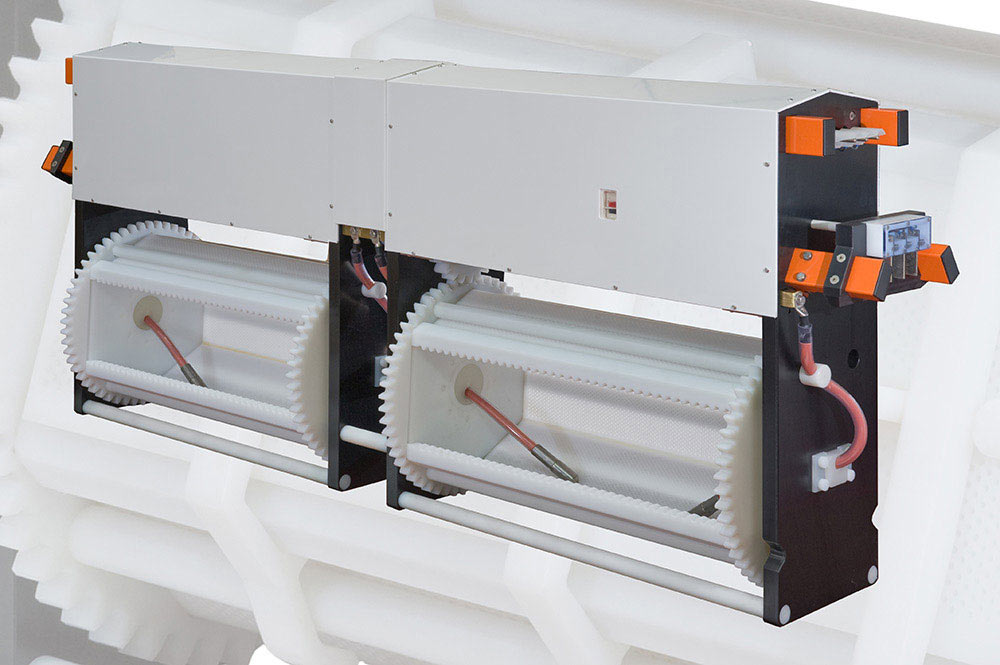
PE1000 is the European designation for ultra-high molecular weight polyethylene (UHMW-PE) — a polymer with a molecular weight typically in the range of 3.5–7.5 million g/mol, compared to 50,000–250,000 g/mol for standard high-density polyethylene. That extended molecular chain structure produces a material with meaningfully different mechanical properties: higher impact resistance, better abrasion resistance, lower coefficient of friction, and — critically for plating barrel applications — superior creep resistance under sustained mechanical and thermal load. For the full molecular-level explanation, see The Material Science Behind PE1000.
Creep Resistance: The Property That Matters Most
Both polypropylene and PE1000 can handle plating bath operating temperatures without immediately softening. The material performance difference that actually shows up in production is creep — the gradual, permanent deformation that occurs when a polymer is under sustained mechanical load at elevated temperature. In a barrel application, creep manifests as slow distortion of the perforation field under the combined load of parts, bath immersion, rotation forces, and temperature.
Standard polypropylene shows measurable creep under sustained load at plating bath temperatures (60–65 degrees C), particularly at perforation edges and barrel end plates where mechanical stress concentrates. Over 12–24 months of production, this creep narrows perforations and distorts barrel geometry. PE1000 has substantially better creep resistance in this temperature range — its molecular structure resists that slow deformation — which is why perforation geometry is maintained significantly longer in service.
Impact Resistance — The Drop Test
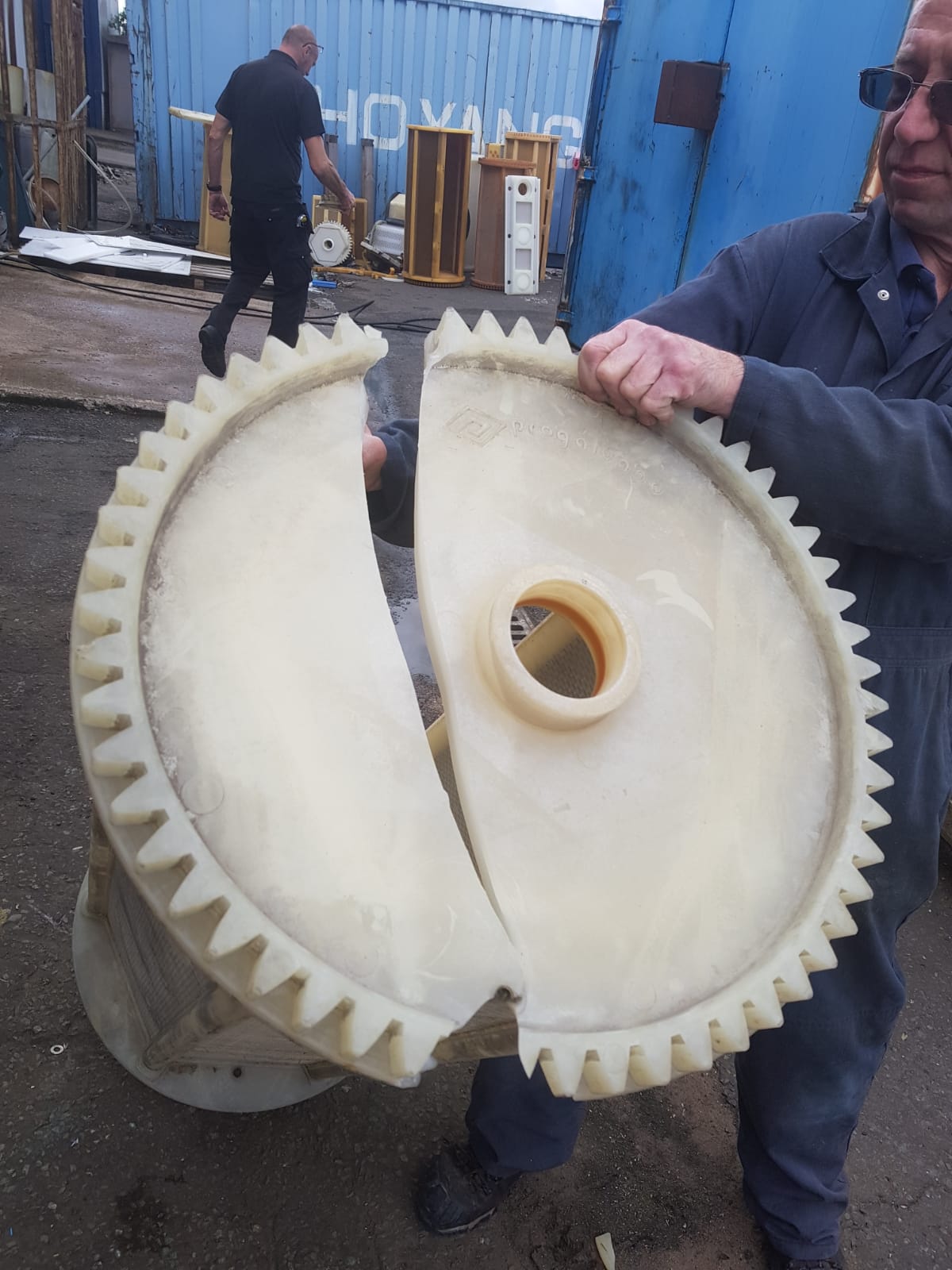
Plating barrels experience impact loading throughout their service life — parts tumbling against the wall, handling during maintenance, collision with tank fixtures. Polypropylene is a relatively brittle polymer after aging and thermal cycling. Under sharp impact, PP can crack catastrophically at stress concentration points.
Eagle Engineering conducted a side-by-side drop test: a standard polypropylene barrel and a PE1000 barrel dropped from the same height onto a hard surface. The PP barrel cracked on impact. The PE1000 barrel absorbed the energy and showed no damage. Watch both tests:
The Pull Test — Double Lock Construction
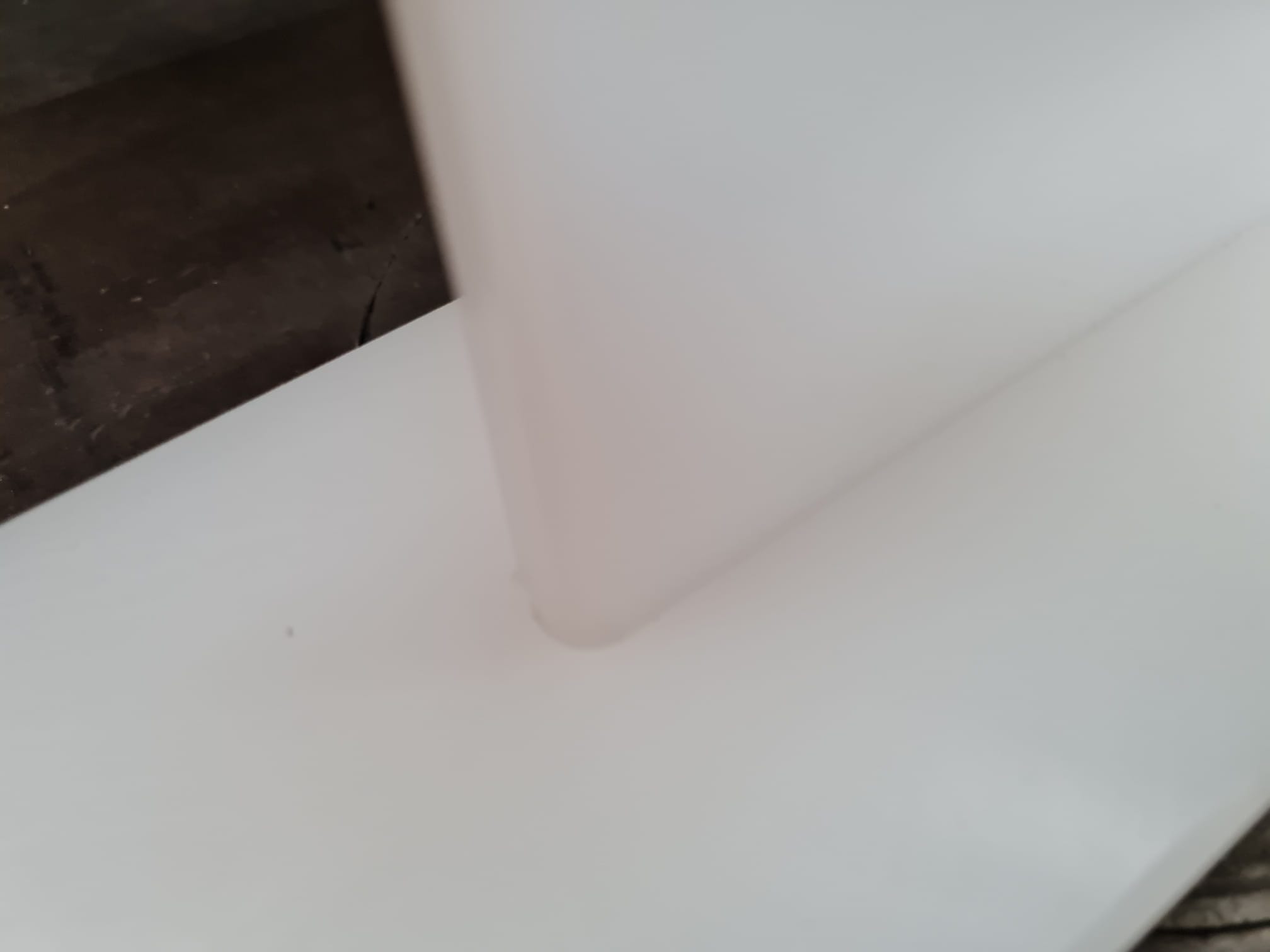
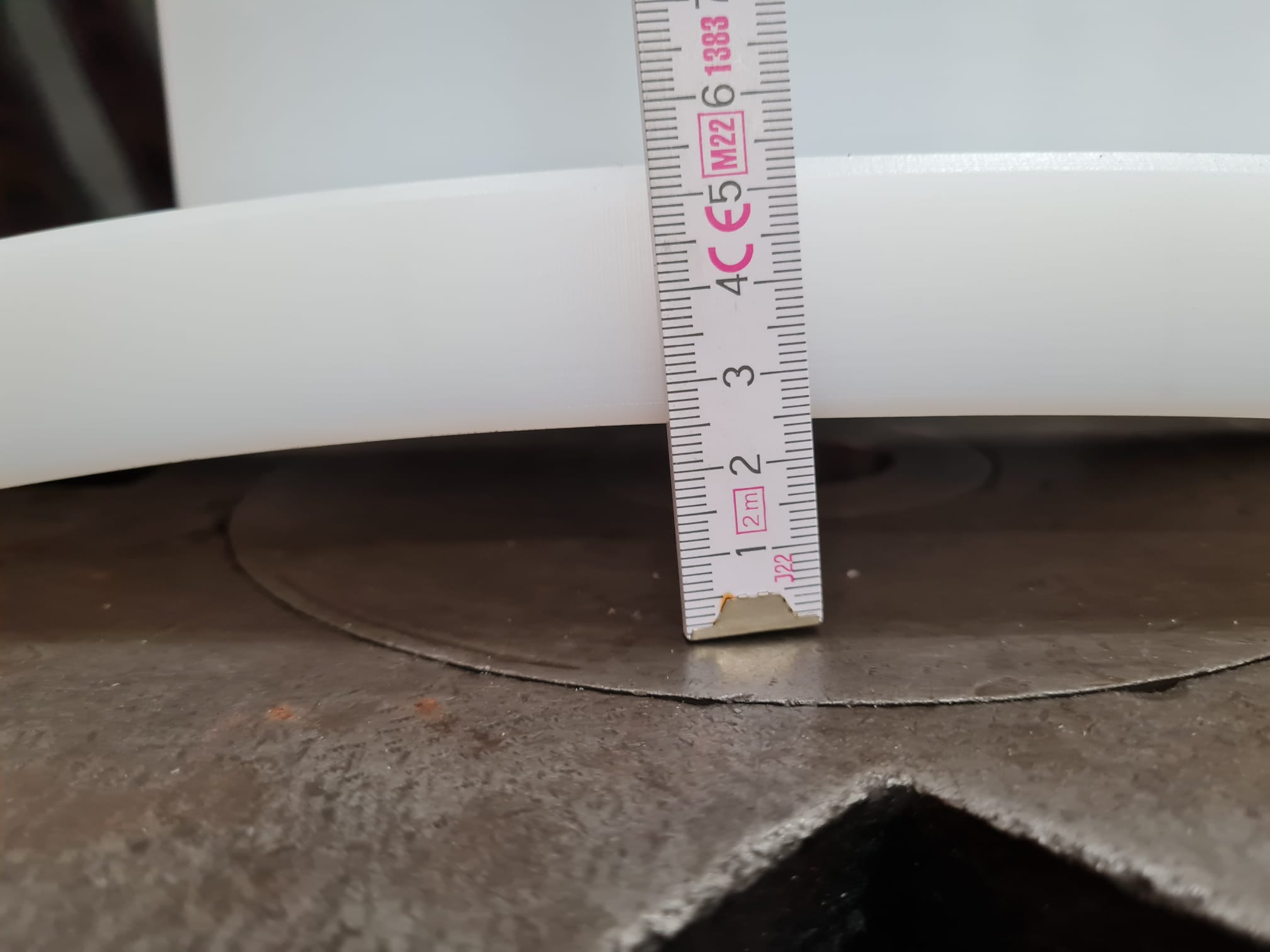
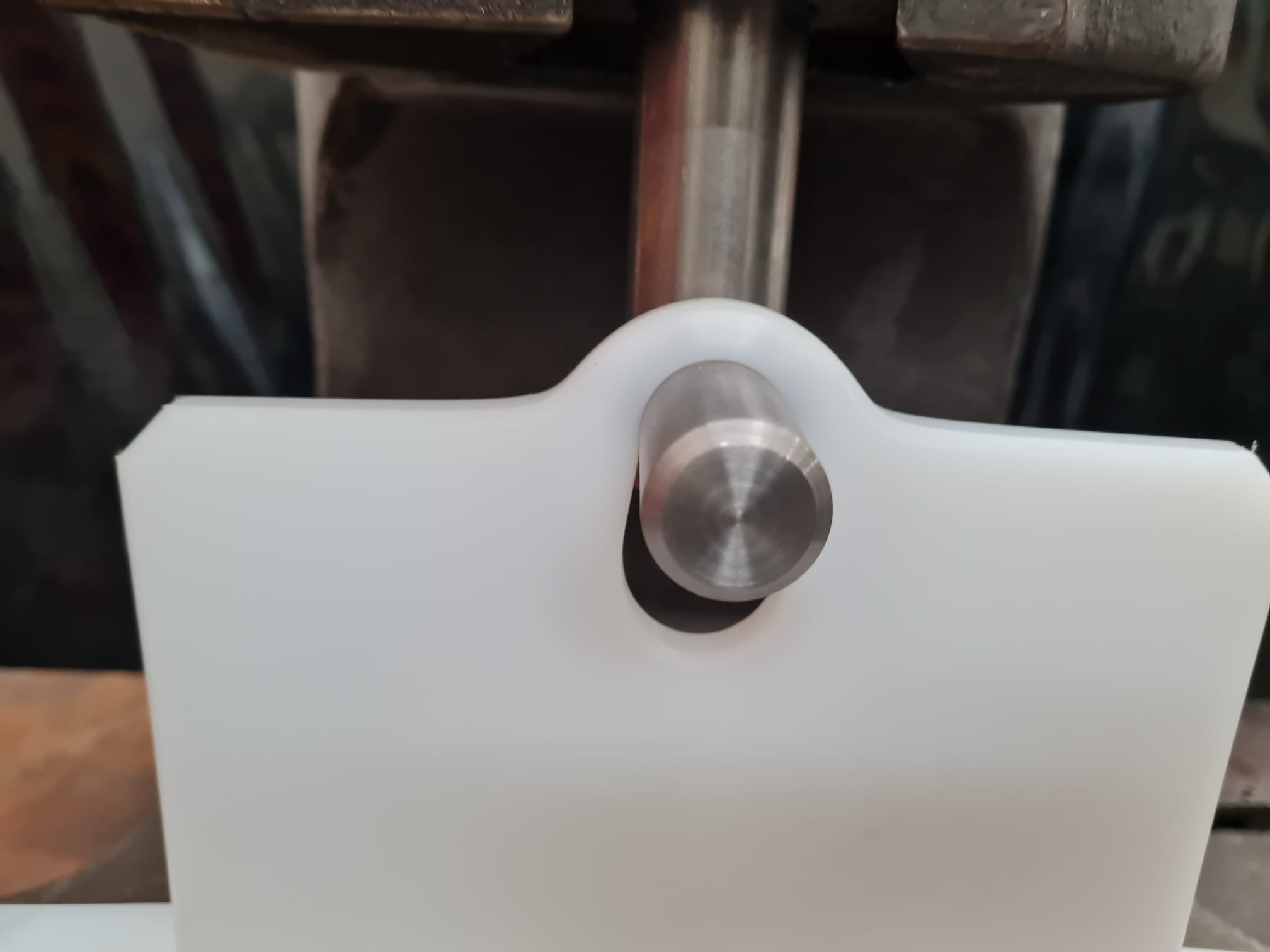
Eagle Engineering's proprietary Double Lock joint construction was tested under destructive load using a fly press machine. The result: the PE1000 material stretches and deforms elastically before the joint fails. The material absorbs the energy rather than transmitting it to the joint. In the same test, the polypropylene sample cracked cleanly at the joint — a brittle failure with no elastic deformation.
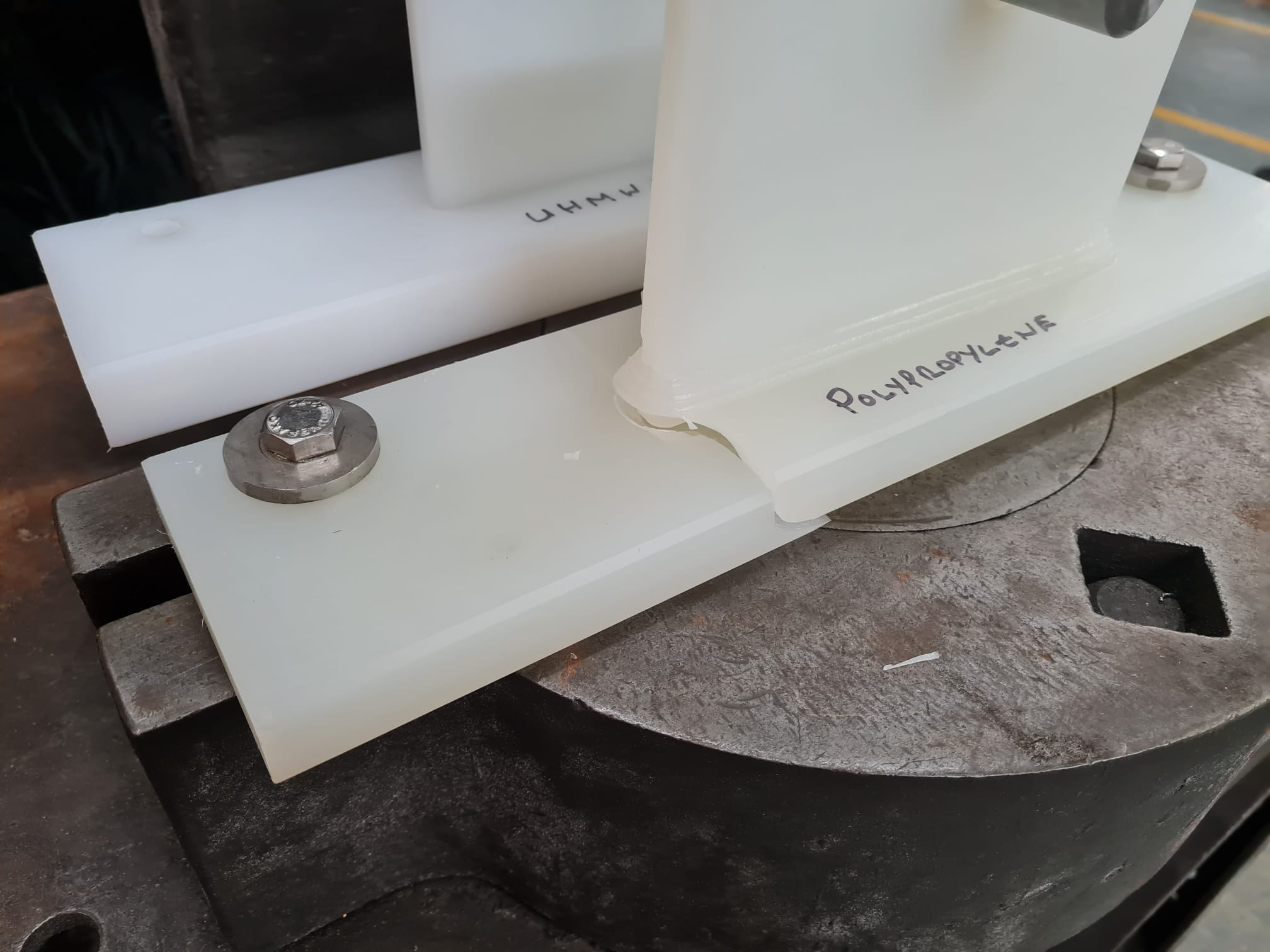
Watch the full pull test videos — PE1000 vs. polypropylene, same test rig, same load:
Perforation Geometry Over Time
Open area — the percentage of the barrel wall occupied by perforations — governs current penetration to parts inside the barrel. A barrel with 20% open area at installation may have an effective open area of 13–15% after two years of service if constructed from standard polypropylene, because perforation geometry has gradually degraded through creep. PE1000 holds perforation geometry substantially longer, sustaining the current distribution characteristics the barrel was designed to deliver.
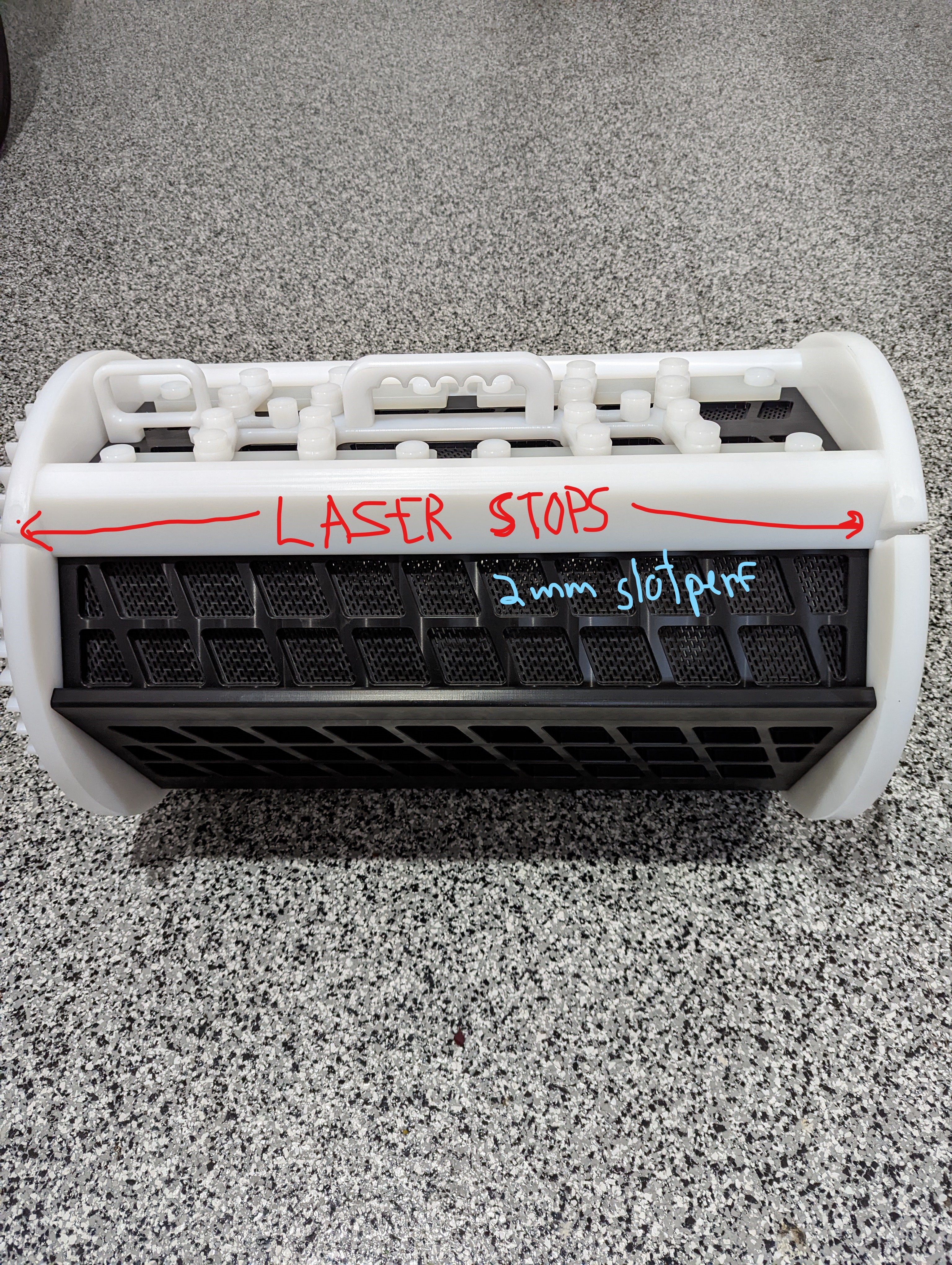
Eagle Engineering's barrel designs in PE1000 are engineered around this principle: the open area specification should hold across the full production service life, not just at installation. See Why Barrel Open Area Matters for what open area degradation costs in production quality.
Abrasion Resistance at Contact Points — The Data
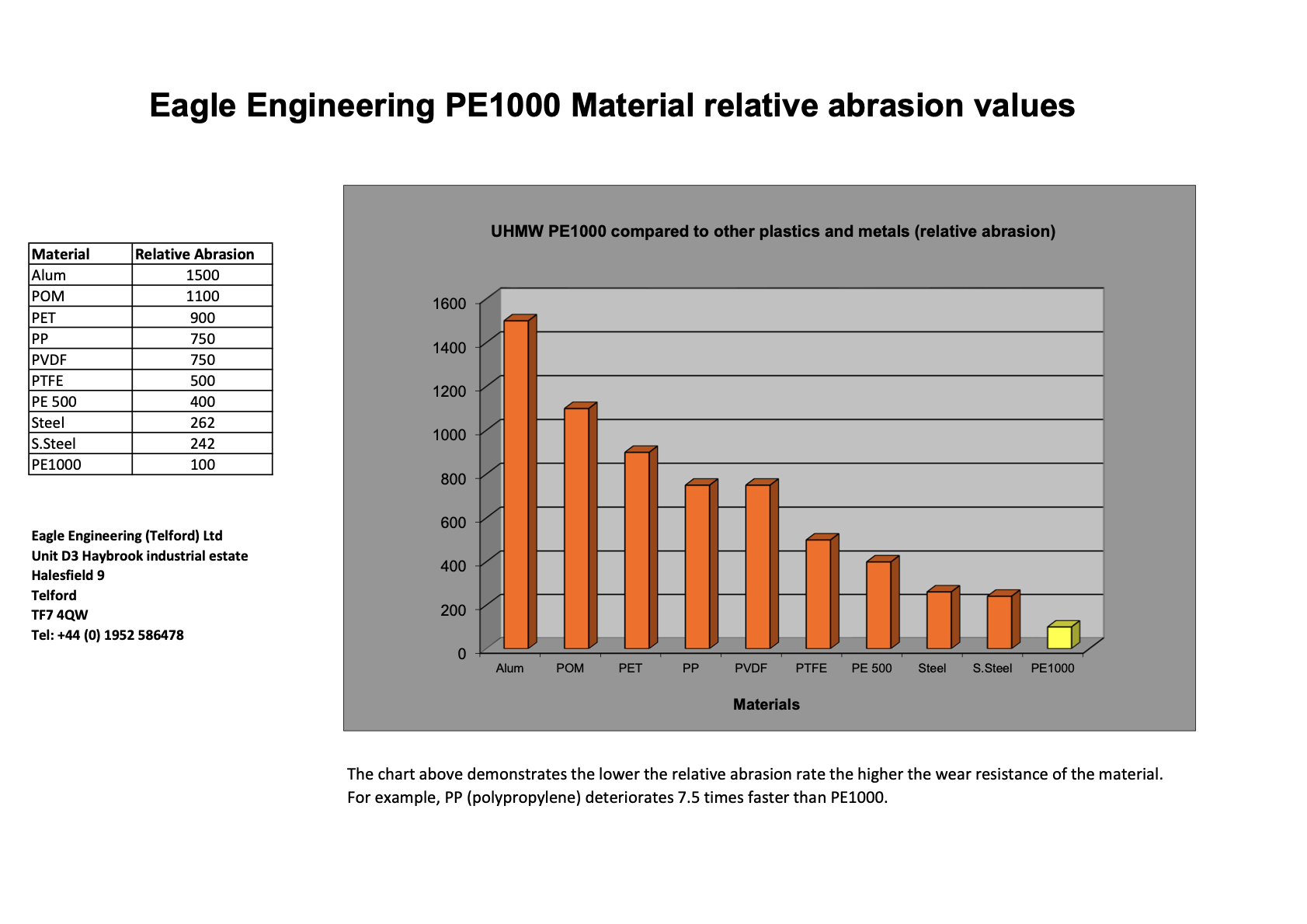
Eagle Engineering's documented abrasion testing shows PE1000 with a relative abrasion value of 100 (best), versus PP at 750 (7.5x worse), PE500 at 400 (4x worse), stainless steel at 242 (2.4x worse), and aluminium at 1500 (15x worse).
The Head-to-Head Test — Same Line, Same Day, Same Parts
Eagle installed a PE1000 barrel alongside a competitor's PP barrel on a double-rack system at a major German facility. Both barrels were fitted on exactly the same day and subjected to precisely identical conditions — same work type, same load, same volume, same weight, same temperature. After 6 months of continuous operation, the PP barrel showed cold forming (creep) — the material surface was breaking up, bore hole perforations were no longer circular, and the holes were reducing in size and beginning to close. The Eagle PE1000 barrel perforations remained perfect, without damage or deterioration. The effectiveness of a barrel drops substantially once perforations begin closing — solution transfer efficiency degrades and chemistry drag-out between tanks increases.
One-Piece Construction — No Joints, No Chemical Traps
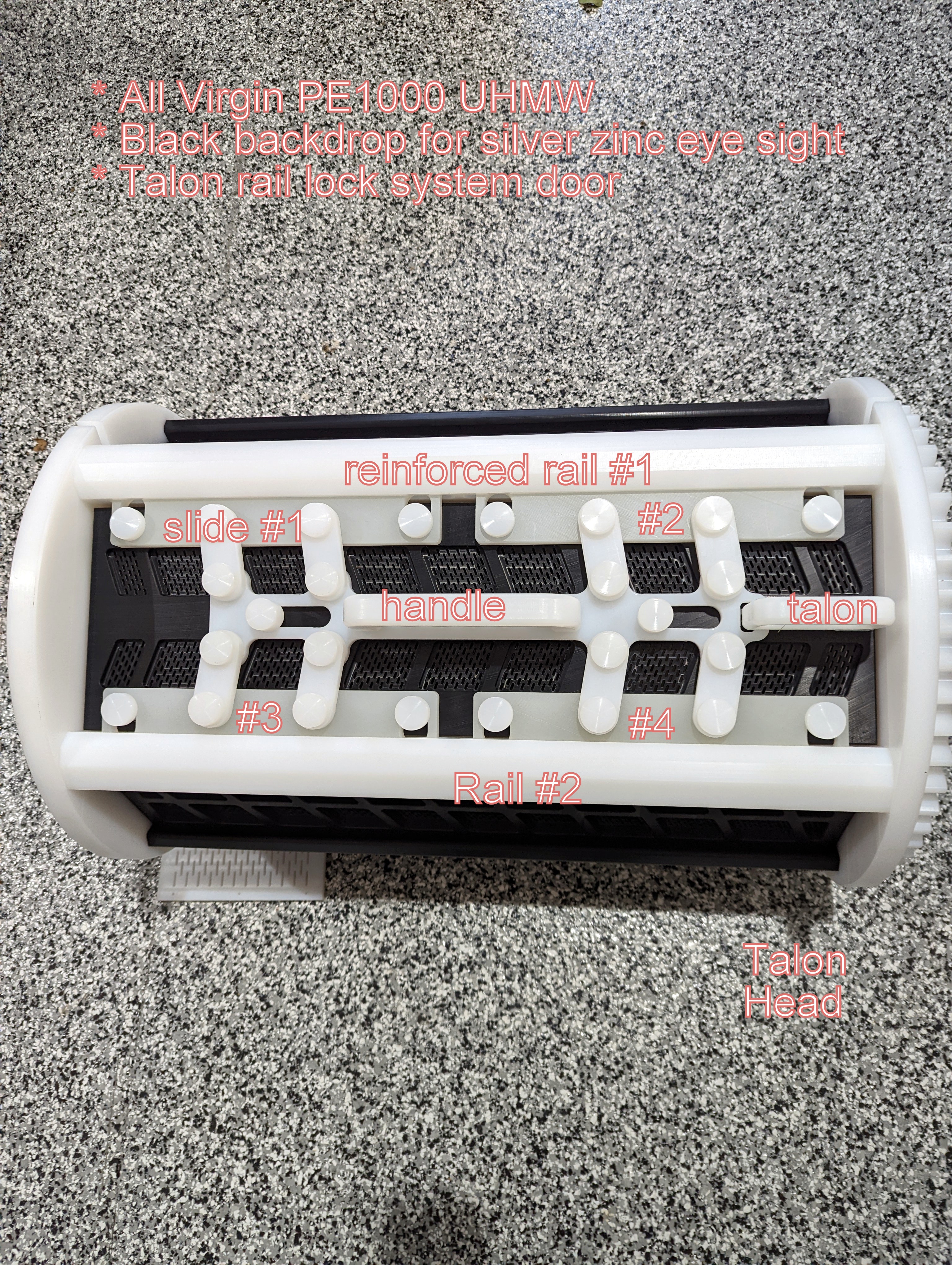
Eagle barrel cylinders are manufactured as a one-piece wrap-around skin. There are no multi-panel construction joints — which eliminates the chemical traps that occur when multiple panels are welded or fastened together. In multi-panel PP barrels, plating chemistry seeps into construction joints over time, creating contamination reservoirs that are impossible to clean and can introduce impurities into the bath. Eagle's one-piece PE1000 cylinder, reinforced with 18.5mm fully sealed high-tensile steel rods, avoids this problem entirely. The ultra-high tensile strength of PE1000 allows this one-piece construction to support up to 40-45% perforation open area without compromising barrel structural integrity — a perforation density that would weaken a multi-panel PP barrel.
Construction Strength — The Bottle Jack Test
To demonstrate the structural integrity of PE1000 barrel construction under extreme compression, Eagle Engineering tested a barrel section with a hydraulic bottle jack. The result speaks for itself:
14+ Years and Still Running
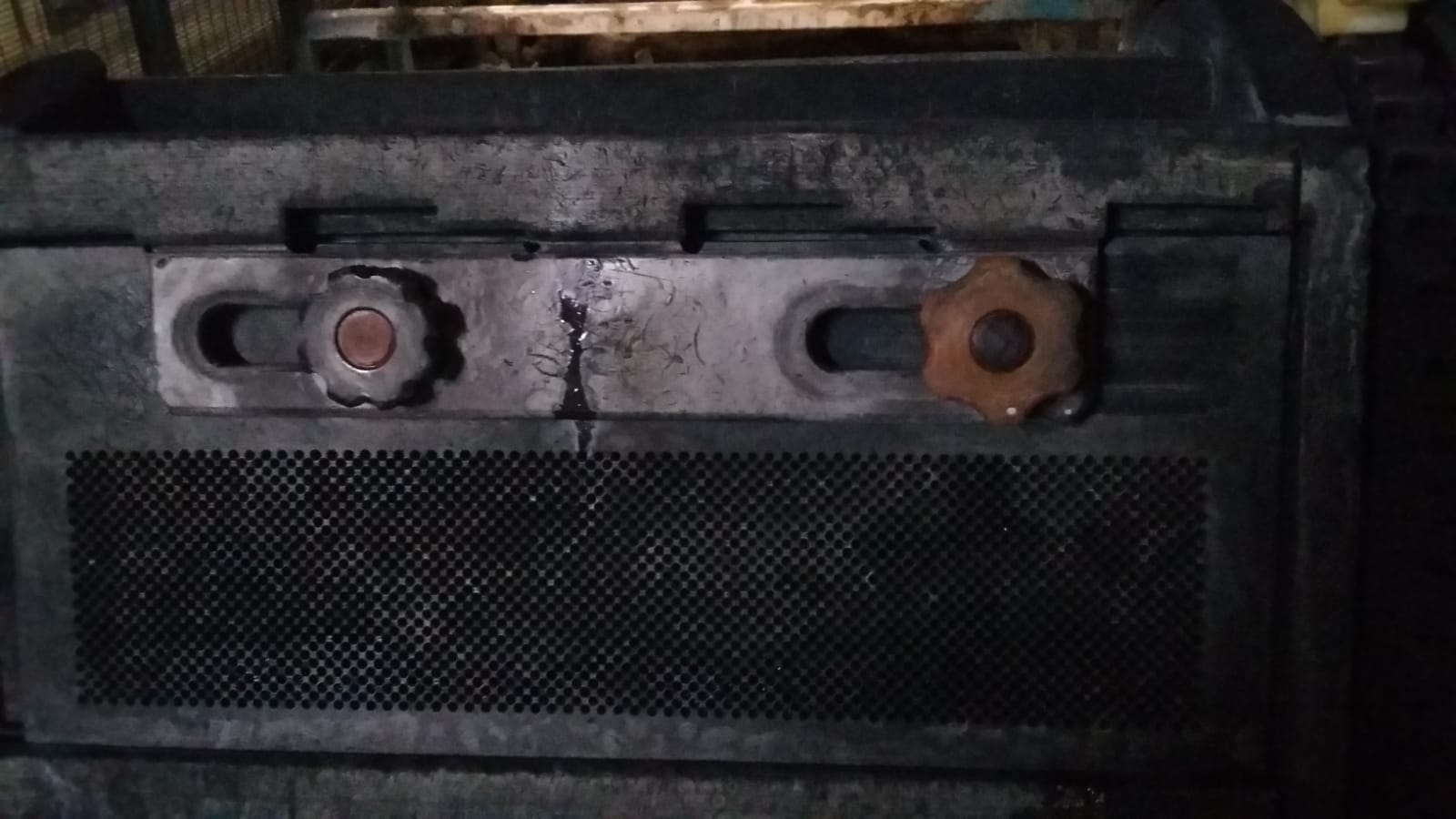
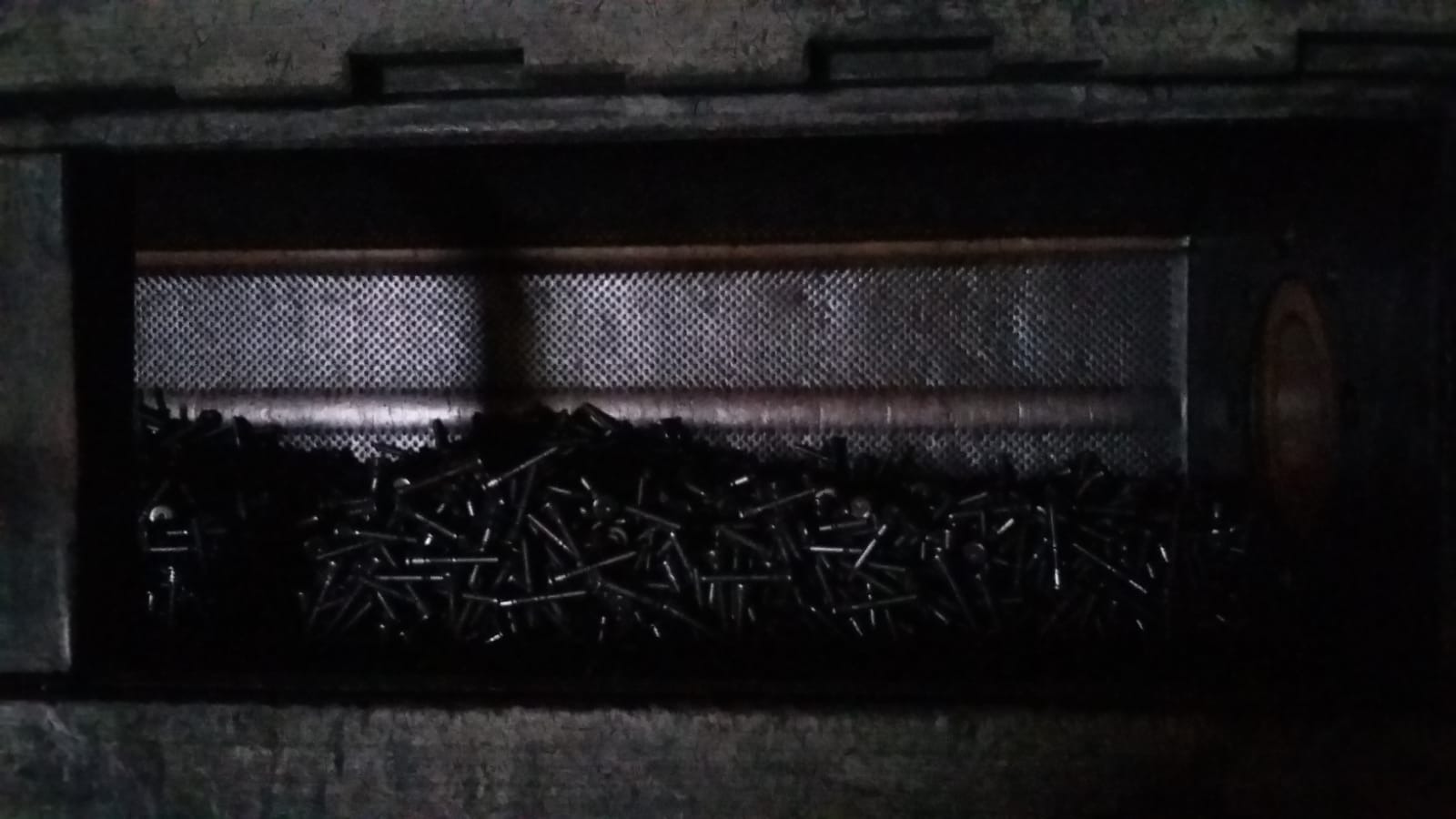
Eagle barrels at one facility have operated for 20+ years continuously on a 24/6 cycle, carrying 150 kg per load, each barrel plating over 10,000 metric tonnes. Here's what a 20-year-old Eagle barrel looks like — still in daily production service:
Total Cost of Ownership
PE1000 barrels carry a higher initial purchase price. The ownership economics depend on three variables: service life (PE1000 barrels documented at 20+ years continuous operation vs typical PP replacement at 2-3 years), reject rate trajectory (PP perforations deform and close; PE1000 maintains geometry), and changeover frequency. See The True Cost of Barrel Changeovers for the full changeover cost model.
Real customer data puts a number on the return: one automotive fastener operation documented $247.88 per barrel per year in energy savings alone after switching to Eagle C-Slot PE1000 barrels — $11,898 annually across a 48-barrel line. Add the 131% increase in open area (26% vs 11%), 66% faster drain times, and a 33% production capacity increase, and the payback period is measured in months, not years.
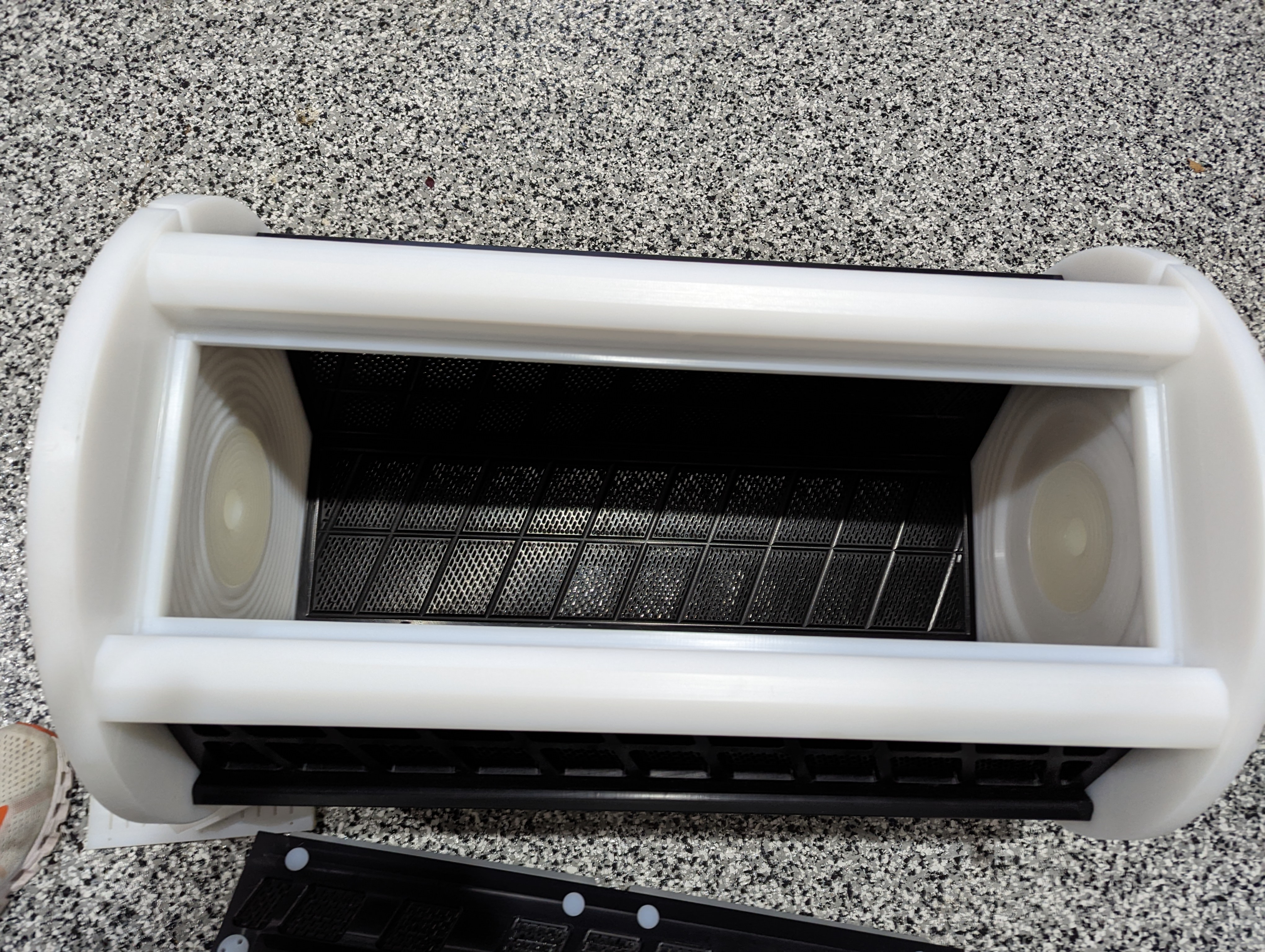
We are the exclusive North American distributor for Eagle Engineering PE1000 plating barrels. Request a quote with your barrel dimensions, load weight, chemistry, and bath temperature — we'll spec the right barrel for your process.
Request an Eagle Barrel Quote →